
Roof ventilation is one of those details that homeowners in Lockleaze rarely think about until a problem appears, usually in the form of damp patches on the underside of the roof, mould developing on exposed timber near the eaves, or a musty smell noticed in the loft during a routine check for Christmas decorations. A full roof replacement is the most cost-effective point to address it properly, because the roof is already stripped back and adding ventilation components afterwards, on a finished roof, is far more disruptive and expensive to arrange. Left unaddressed, this kind of hidden moisture problem can quietly undermine insulation performance long before any visible damage appears on the tiles themselves.
Many of the area's post-war homes were built to standards that did not anticipate how modern insulation levels, and the way lofts are now used for storage or partially converted living space, would affect the movement of air within the roof void above the ceiling. Without adequate airflow, moisture generated inside the home below can become trapped in the loft, leading to condensation that slowly damages timber and insulation from the inside, sometimes for years, without a single tile ever actually failing or letting water in from outside.
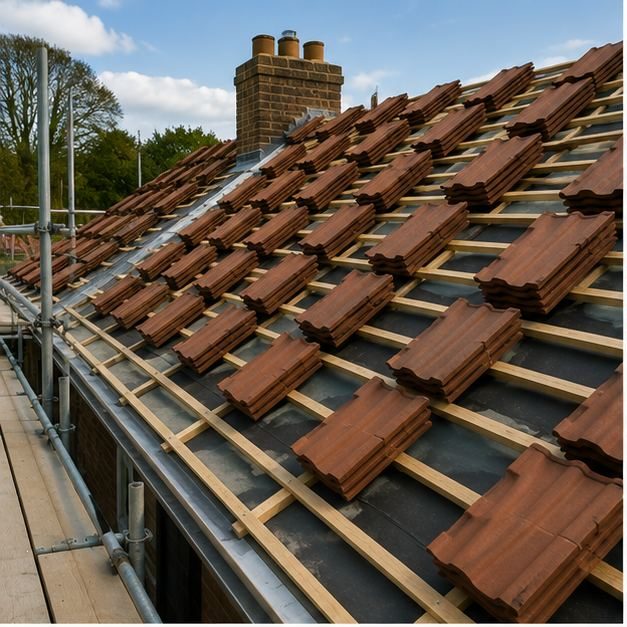
During re-roofing, ventilation can be built in at several points: at eaves level through discreet strip vents that are barely visible from the ground, along the ridge using a ventilated ridge system, or through individual tile vents positioned where they will not affect the roof's overall appearance from the street. A breathable membrane fitted at the same time works alongside these measures to let moisture escape gradually while still keeping wind and rain firmly out, a significant improvement over older, non-breathable felt still found under many original coverings across Lockleaze's estate housing.
Getting the balance right matters, and this is where professional judgement is useful rather than simply fitting the maximum number of vents available from a supplier's catalogue. Too little ventilation risks condensation problems building up gradually over years; too much, or ventilation positioned incorrectly, can undermine insulation performance or in some cases let in driving rain during particularly severe weather. This is why ventilation should be planned as part of the overall roofing specification for your Lockleaze property, rather than treated as an afterthought once tiling is already complete. A roofer familiar with the area's typical house types is usually well placed to judge the right combination of vents for a particular roof shape and pitch.
The benefit of dealing with this during re-roofing rather than later is largely one of cost and convenience: components that would need scaffolding and considerable disruption to add afterwards can simply be included in the original specification for comparatively little extra outlay.
If your loft has shown signs of damp or poor airflow, or you simply want ventilation done properly as part of a new roof, Brunel Roofing Bristol can include this in the specification from the outset. Contact us for a quote that covers the roof as a complete, well-ventilated system.
Get a Free Quote for New Roof Installations in Lockleaze
Every roof is different — the fastest way to get an accurate answer is a quick chat with our team.