
Short answer: yes, and it's rarely a quick process, which is exactly why it catches so many homeowners off guard. Moss doesn't just sit there looking untidy, it works away at the roof surface gradually, often for years before any damage becomes obvious from the ground.
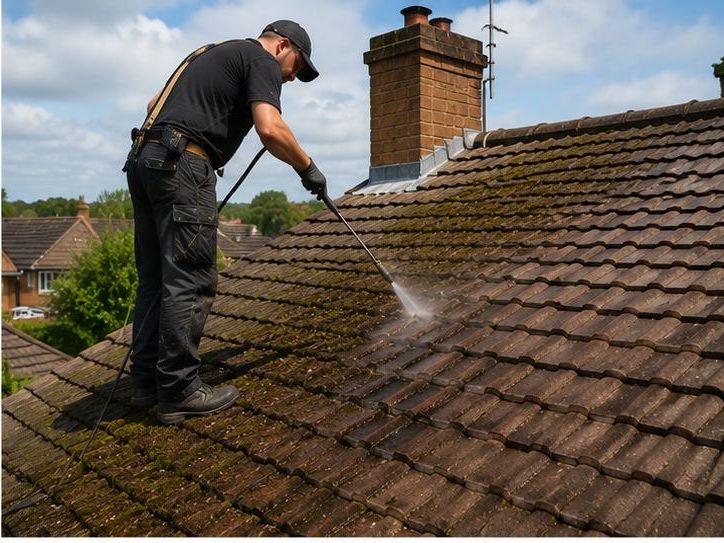
How moss actually harms tiles
Moss holds moisture against the tile surface far longer than rain alone would, and that constant damp encourages the tile material to break down, particularly on older concrete or clay tiles where the surface has already started to wear. In colder months this becomes worse still, because trapped water in tiny cracks freezes, expands, and gradually forces the tile apart, a process roofers call frost damage.
Thick moss can also lift tiles slightly out of position as it grows under the edges, which creates small gaps that let wind-driven rain get underneath. Once water is getting under the tiles rather than running off them, you're looking at a maintenance issue rather than just a cosmetic one.
Spotting the warning signs early
Keep an eye out for tiles that look flaky or crumbly at the edges, green or black staining that spreads across the roof face, and moss clumps thick enough that you can see them from ground level rather than just faint patches. Any of these are worth getting checked before the next wet Bristol winter, since damage that starts small tends to spread once water finds a way in.
Brunel Roofing Bristol can inspect the tiles while removing moss, flagging anything that needs repair rather than just a clean, which saves a second visit down the line.
Which roofs are more vulnerable than others
Not every roof is affected equally. Natural slate and older clay tiles tend to have a slightly more porous, textured surface than modern concrete tiles, which gives moss spores more to grip onto and can make the damage process quicker once growth takes hold. Concrete tiles are more resistant but not immune, especially once their factory-applied coating has worn thin with age.
Roof valleys, the internal angles where two slopes meet, and areas shaded by chimneys or dormer windows are usually the first places moss establishes itself, simply because they stay damp for longer after rain. These are often the spots worth checking first if you're trying to catch a problem early, either from a ladder at a safe height or with binoculars from the garden.
Get a Free Quote for Roof Moss Removal
Every roof is different — the fastest way to get an accurate answer is a quick chat with our team.