
When homeowners in Redfield start planning a roof replacement, most of the early conversation tends to focus on appearance and cost, which is understandable given how significant the investment is. It is worth also thinking further ahead, to how much upkeep different materials will demand over the next twenty or thirty years, since some options are naturally more resistant to moss, lichen and general weathering than others.
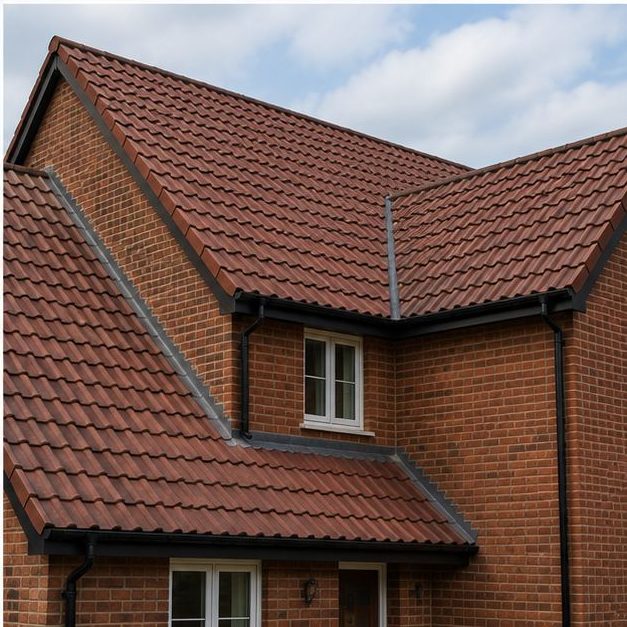
Natural and artificial slate generally offer a dense, low-porosity surface that sheds water quickly and gives organic growth relatively little to establish itself on, which is one reason slate roofs often stay cleaner for longer than some tiled alternatives. Concrete tiles remain a popular and cost-effective choice across Redfield's terraced streets, and modern concrete products have improved considerably, but their slightly more porous surface can still make them somewhat more prone to moss and algae over time, particularly on shaded slopes.
Roof orientation and surrounding trees also play a significant role in this, sometimes a bigger one than the material itself. A roof shaded by mature trees or facing broadly north will tend to stay damp for longer after rainfall regardless of what it is covered in, so homeowners in those situations may want to weight their material choice even more heavily towards options with better resistance to sustained moisture and slower drying times.
Roof pitch is another factor worth understanding before finalising a specification. A steeper roof sheds water more quickly than a shallow one, giving moss and algae less opportunity to establish themselves in the first place, while a lower pitch retains moisture for longer regardless of the material used. This is particularly relevant on some of Redfield's older extensions and outbuildings, which were sometimes built with a shallower pitch than the main roof.
Colour and finish can matter too, since darker tiles sometimes show surface moss and algae less obviously than lighter ones, even where the underlying growth is broadly similar in extent. This is a smaller consideration than material quality or roof orientation, but it can influence how often a roof appears to need attention purely from a visual standpoint, which is worth bearing in mind if kerb appeal is a priority alongside performance.
It is also worth discussing detailing choices at the same time as materials, since features such as dry ridge and verge systems can reduce the number of traditional mortar joints on a roof, taking away some of the locations where moss and weeds have historically taken hold. Fibre cement slate alternatives are worth considering too, since they combine a slate-like appearance with a manufactured consistency that tends to resist surface growth somewhat better than natural slate exposed to decades of Bristol weather, while generally costing less than the genuine material.
Brunel Roofing Bristol can talk through the tile and slate options suited to your particular Redfield property, taking into account its orientation, surroundings and the look you want to achieve, so that the roof you choose stays lower maintenance for years to come.
Get a Free Quote for New Roof Installations in Redfield
Every roof is different — the fastest way to get an accurate answer is a quick chat with our team.