
When people think about replacing a roof, colour and material often come to mind well before tile profile, yet the shape of the tile itself has a real and lasting effect on how a roof looks and performs for decades afterwards. Easton's mix of housing, from flat-fronted Victorian terraces near the older heart of the area to later twentieth-century builds further out towards the edges, means different profiles suit different properties, and it's worth understanding the main options available before committing to one for the next fifty years or more of the property's life.
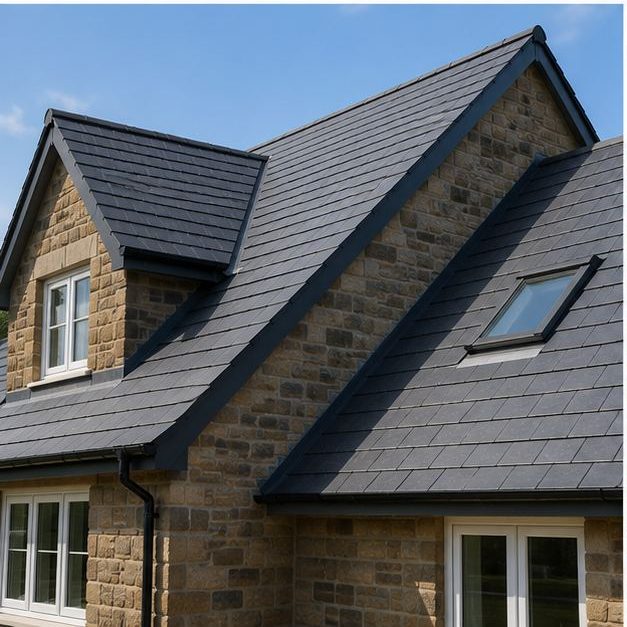
Plain tiles are a small, flat, rectangular tile traditionally associated with older properties, and they remain a strong choice for period homes in Easton where a fine-grained, traditional texture is wanted across the whole roof slope. Because they're small, they can follow the gentle curves and slight undulations of an older roof structure far more gracefully than larger, stiffer tiles are able to, which is one of the main reasons they're so often specified for heritage-style replacements on Victorian and Edwardian housing across this part of Bristol.
Interlocking tiles, including pantile and double Roman profiles, cover more area per tile and create a bolder, more pronounced shadow line across the roof slope than plain tiles typically do. They're generally quicker to install, which can help keep labour costs down over a large roof area, and they can be a genuinely cost-effective option for bigger roofs, while still giving a distinctive, textured appearance that works well on many of the semi-detached and detached properties found on the streets further out from Easton's older, denser core near the centre.
Beyond appearance, profile choice also affects performance in ways that aren't always obvious at first glance from the ground. Interlocking tiles typically offer strong weather resistance with fewer joints for water to find its way through under driving rain and gusty conditions, while plain tiles rely on their layered, overlapping arrangement across multiple courses to shed water effectively instead, a method that has stood the test of time on older roofs. Both can perform very well when installed correctly by someone who genuinely understands the detailing involved, so the decision often comes down to matching the character of the property and the surrounding streetscape rather than one profile simply being objectively better than the other in every case.
If you're unsure which tile profile would suit your Easton home, it helps to see options in person rather than choosing from a small catalogue photograph on a screen. Brunel Roofing Bristol can talk through the practical differences between profiles and show physical samples on site, so you can pick one that fits both the style of your property and your budget with real confidence.
Get a Free Quote for New Roof Installations in Easton
Every roof is different — the fastest way to get an accurate answer is a quick chat with our team.