Rubber and fibreglass are the two systems most homeowners end up choosing between when it's time to replace an old flat roof, and both have loyal fans among roofers. The right one for you tends to come down to the shape of your roof and what you're prioritising.
How the Two Systems Differ
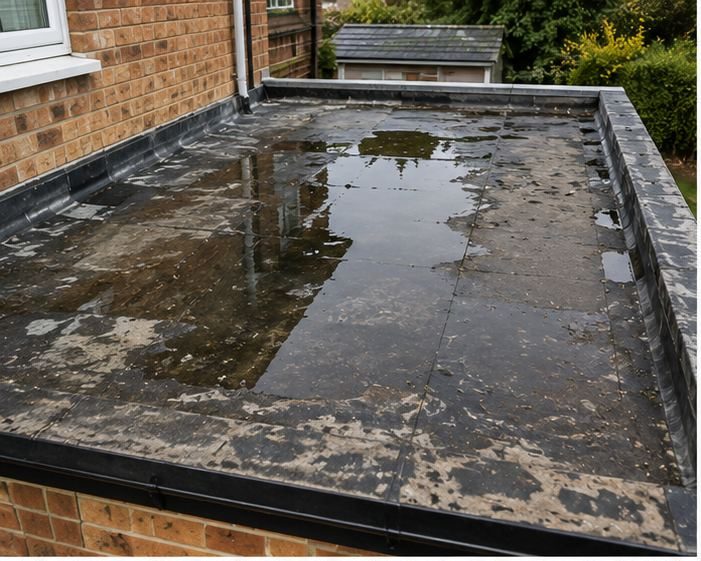
GRP, or glass reinforced plastic, is applied as a liquid resin over a fibreglass matting and cures into a rigid, seamless surface, which gives it a smart, hard-wearing finish that copes well with foot traffic, making it a popular choice for roof terraces or balconies people actually walk on regularly. EPDM, by contrast, is a flexible rubber sheet that's rolled out and bonded down, and it tends to suit roofs with a more straightforward shape, since GRP can be moulded more easily around complex detailing and upstands.
On cost, the two are often fairly close, though GRP can work out pricier where a lot of edge trims and detailing are needed. EPDM generally has a slight edge on flexibility in cold weather since it won't crack the way a rigid GRP surface occasionally can if the substrate beneath it moves.
Which Suits Your Roof
If you want a roof you'll walk on regularly or one with a particularly fussy shape, GRP is often the more practical choice, whereas a straightforward garage, extension or dormer roof usually suits EPDM very well and tends to be quicker to install with less disruption. Brunel Roofing Bristol fits both systems and would rather recommend whichever genuinely suits your roof than push one over the other, so it's worth getting a free assessment before deciding.
Get a Free Quote for EPDM Rubber Roofing
Every roof is different — the fastest way to get an accurate answer is a quick chat with our team.