
Shirehampton sits close to the Avon Gorge and the estuary, which means properties here tend to feel the full range of Bristol's weather — driving rain off the water, exposed winds, and the kind of temperature swings between seasons that can be genuinely testing for a flat roof. EPDM rubber roofing has become popular locally largely because it copes so well with these conditions.
Rain is the most obvious challenge for any flat roof, and EPDM's main job is simply to keep it out. As a single, flexible rubber membrane rather than a series of overlapping felt layers, EPDM has far fewer joints where water could potentially find a way through, which matters on a roof exposed to the sort of prolonged, wind-driven rain that Shirehampton can see coming off the estuary.
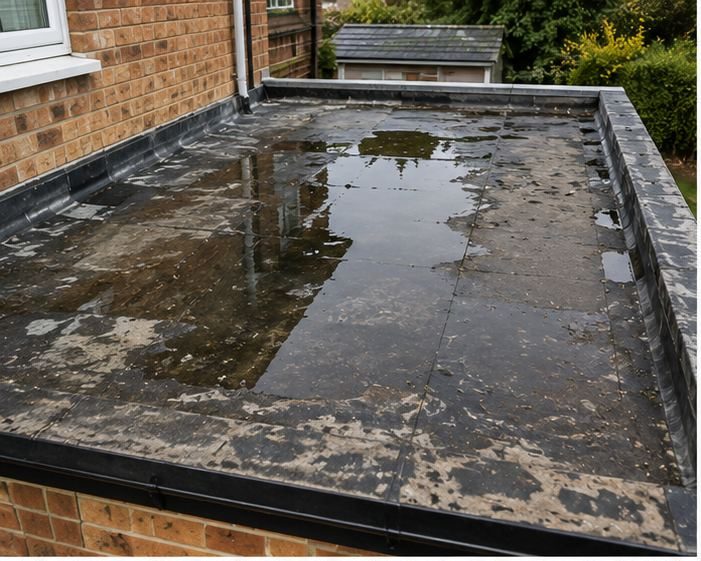
Even where a joint is unavoidable, on a larger roof or where two membrane rolls meet, EPDM seams are typically bonded with specialist adhesives or tapes designed to form a genuinely durable, long-term seal rather than relying on overlapping layers alone, which is a meaningfully different approach to the way traditional felt roofing is joined together.
Wind exposure is also a genuine consideration for roofs in this part of Bristol, particularly on properties with a clear run towards the water. EPDM is installed using adhesives and mechanical fixings appropriate to the roof's size, shape and exposure, and a properly detailed edge and upstand is what actually keeps a membrane secure in windy conditions, not just the material itself.
Temperature changes across the seasons put a different kind of stress on flat roofs, causing the deck and membrane to expand and contract slightly as they warm and cool. EPDM's flexibility is one of its real strengths here, since the rubber can move with these small changes over years of UK weather without the material becoming brittle or cracking the way some older coverings eventually do.
UV exposure over long summer periods is another factor worth mentioning, since sunlight gradually degrades most roofing materials over time. EPDM is formulated to resist UV degradation significantly better than felt roofing, which is part of why it tends to hold up well over an extended period on south or west-facing roofs that catch a lot of direct sun.
None of this means the membrane alone guarantees a trouble-free roof, though. How well an EPDM roof performs against Shirehampton's weather also depends heavily on the quality of the installation — properly formed falls so water doesn't sit and freeze in winter, secure edge detailing so wind can't get underneath, and sound decking that won't move or deteriorate beneath the membrane.
It's also worth noting that Shirehampton's proximity to the water can mean slightly more airborne salt and moisture than properties further inland, and while EPDM itself isn't particularly troubled by this, it's another reason why sound edge trims, secure fixings and a well-prepared deck all matter — the roof is only as weather-resistant as its weakest detail, regardless of how good the membrane covering it is.
If you're considering EPDM for a property in Shirehampton and want to understand how it would be detailed to suit your roof's particular exposure to wind, rain and sun, it's worth having a professional assessment done in person. Brunel Roofing Bristol can look at your roof's specific conditions and recommend the right approach, then provide a clear quotation for the work.
Get a Free Quote for EPDM Roofing in Shirehampton
Every roof is different — the fastest way to get an accurate answer is a quick chat with our team.