
Roof ventilation isn't something most people in Brislington think about until problems appear, but it plays a quiet, ongoing role in keeping a roof structure in good condition. Modern ventilation systems are designed to let air move continuously through the roof space, carrying moisture out before it can settle on timbers, felt or insulation and cause damage over time.
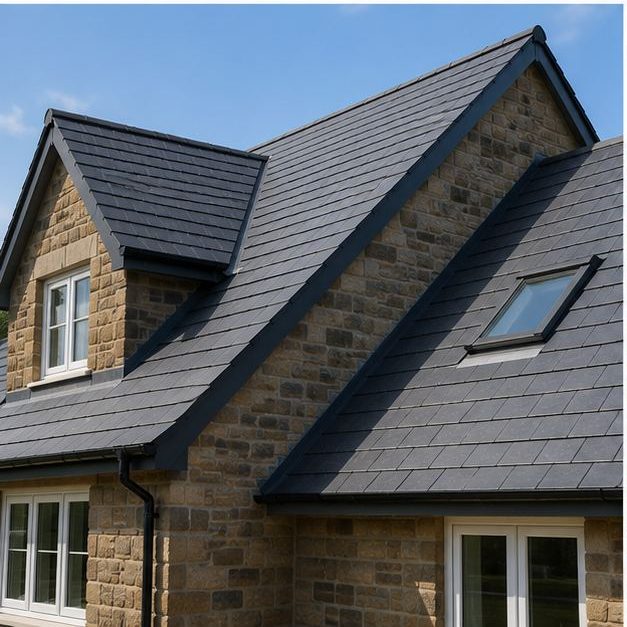
The basic principle is straightforward, air needs a way in and a way out. Most modern systems draw fresh air in at the eaves, the lowest edge of the roof slope, through small vents or specially designed eaves trays that sit under the first course of tiles. That air then travels up through the roof space and escapes at or near the ridge, either through a ventilated ridge tile or a separate ridge vent strip, taking moisture-laden air with it as it goes.
This matters particularly in Brislington homes with older roof structures, where insulation may have been added or topped up over the years without much thought given to how it affects airflow. Loft insulation pushed right into the eaves can block the very gap that air needs to travel through, effectively cancelling out the benefit of any ventilation that exists further up the roof. Getting the balance right between insulation and clear airflow at the eaves is one of the details that's easy to overlook but makes a real difference to how well a roof performs.
Modern breathable roofing membranes work alongside this airflow rather than replacing the need for it. These membranes allow a small amount of water vapour to pass through from inside the roof space while still keeping out wind-driven rain from above, which is a significant improvement over the older, non-breathable felt found on many established Brislington roofs. When both the membrane and the ventilation path are done properly, the roof space stays drier and the structural timbers last considerably longer.
Roof shape also affects how ventilation needs to be arranged, and this is relevant in Brislington given the variety of roof forms across the area, from simple gable ends to more complex hipped roofs with dormers or valleys. Hipped roofs, for example, have less ridge length relative to their overall area than a simple gable roof, so getting the eaves ventilation right becomes even more important to make up for the shorter ridge run. Roofs with loft conversions need particular care too, since the extra insulation and boarding involved can easily interfere with the airflow path if it isn't planned around properly from the outset.
A full re-roof is the natural point to bring ventilation up to current standards, since eaves and ridge details are being renewed anyway rather than being worked around. Brunel Roofing Bristol builds proper airflow into every replacement roof it carries out in Brislington, and can explain what that would look like for your specific property if you get in touch to discuss a quote.
Get a Free Quote for New Roof Installations in Brislington
Every roof is different — the fastest way to get an accurate answer is a quick chat with our team.