
Condensation inside a roof space is one of those problems that can appear after a new roof has been fitted, not because the new covering is faulty, but because the conditions inside the loft have changed and moisture is no longer escaping as it should. For Frenchay homeowners who have recently replaced their roof, or who are planning to, understanding what causes this helps avoid an unwelcome surprise several months down the line, once the weather turns colder and the difference between indoor and outdoor temperatures grows.
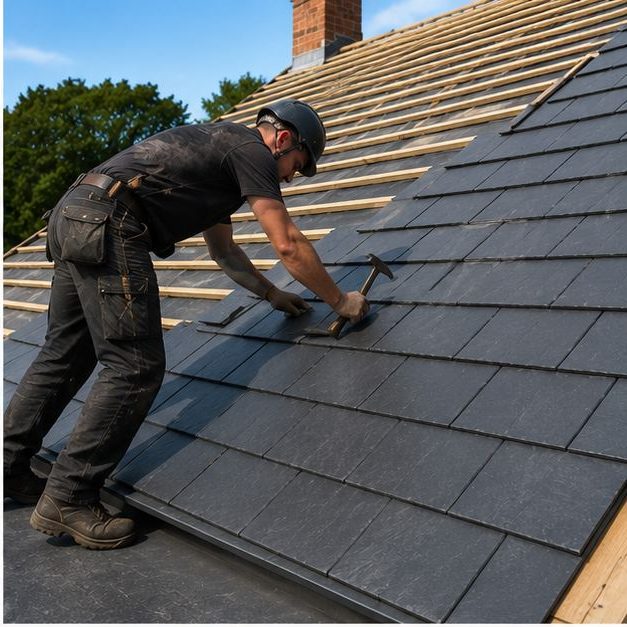
A new roof is typically far more airtight than the one it replaces, with fresh underlay, properly seated tiles or slates, and tighter detailing around flashing and joints. This is a good thing for heat retention, but it also means warm, moist air rising from the rooms below has fewer accidental escape routes than it did through an older, draughtier roof that was, in effect, ventilating itself by accident through its own defects. Without deliberate ventilation, that moisture can collect on cold surfaces within the loft, particularly on the underside of the new covering or on exposed timbers, appearing as droplets or a fine mist on cold mornings. Left unaddressed over successive winters, this repeated cycle of condensation and drying can gradually stain timber and encourage mould even where the roof covering itself remains in perfect condition.
The fix is not to make the roof less airtight, which would simply reintroduce the draughts and heat loss the replacement was meant to solve, but to make sure ventilation is properly designed into the replacement from the start. This usually means clear airflow from eaves to ridge, vents that are sized correctly for the volume of the roof void, and insulation kept clear of any ventilation gaps rather than blocking them. Frenchay's mix of compact period lofts and larger newer roof spaces both need this attention, even though the detailing may differ between them depending on roof pitch and construction. A steeper pitch or a more complex roofline with multiple valleys and hips can make continuous airflow harder to achieve without careful planning, which is worth factoring in early rather than as an afterthought.
It is also worth considering what is happening below the loft hatch, since the loft void does not exist in isolation from the rest of the house. A well-fitted, insulated loft hatch reduces the amount of warm, moist household air reaching the roof void in the first place, which takes some of the pressure off the ventilation system and reduces the risk of condensation forming even in a well-designed roof. Extractor fans in bathrooms and kitchens that vent outside rather than into the loft make a similar difference.
Brunel Roofing Bristol designs ventilation into every roof replacement in Frenchay specifically to avoid condensation issues down the line, and can also advise on straightforward loft hatch and extraction improvements that support the roof's own ventilation. If you are noticing damp patches or a musty smell in your loft after recent works, get in touch and we will investigate.
Get a Free Quote for New Roof Installations in Frenchay
Every roof is different — the fastest way to get an accurate answer is a quick chat with our team.