
Choosing between slate and tiles is one of the first big decisions homeowners in Arnos Vale face when planning a re-roof, and the right answer often depends on the age and style of the property. Many of the Victorian and Edwardian houses in this part of south-east Bristol were originally roofed in natural slate, and keeping that material, or a convincing artificial equivalent, tends to preserve the character of the street and can matter if the property is in a conservation area or simply overlooked by similar homes nearby.
Natural slate has real advantages beyond appearance. It's thin, hard-wearing and can last well over a century when properly maintained, which is part of why so much of it survives on older Bristol roofs today. The trade-off is cost, since quarried slate is more expensive to buy than most tile options, and it needs installers who understand how to work with it properly. Artificial slate has closed much of that gap in recent years, offering a similar profile and colour at a lower price point, with a lighter weight that can be useful where the roof structure needs consideration.
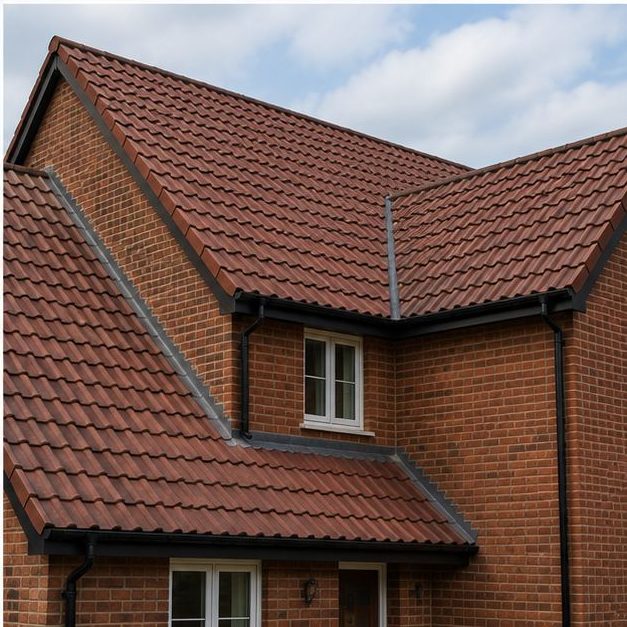
Concrete and clay tiles, meanwhile, suit the later housing found on the edges of Arnos Vale and in nearby newer developments particularly well. Concrete tiles are generally the most cost-effective option and come in a wide range of colours and profiles, while clay tiles offer a warmer, more traditional look at a mid-range price. Both are widely available, which can mean shorter lead times and easier future repairs if a handful of tiles ever need replacing.
Appearance from street level matters more in a place like Arnos Vale than it might in a more scattered rural setting, simply because so many properties sit close together and share a visible roofline. A mismatched or overly modern-looking covering on an otherwise period terrace can stand out in a way that some homeowners would rather avoid, which is another reason many choose to match the existing material style even when opting for a more affordable version of it.
Colour and profile choices within each material category are worth spending time on too, since even within concrete tiles alone there's a wide range of finishes, from smooth to textured, and shades from traditional greys through to warmer browns and reds. Bringing a sample or two out to view against your actual property, in natural daylight, gives a far better sense of the finished look than judging from a brochure photo alone.
Weight is a practical factor that's easy to overlook. Natural slate and clay tiles are heavier than concrete or artificial slate, so on older roof structures it's worth having a professional check that the existing timbers and rafters can comfortably support the chosen material, especially if you're switching from a lighter covering to a heavier one. This is exactly the kind of detail a proper site survey picks up before any decision is finalised.
Brunel Roofing Bristol works with the full range of these materials and can advise honestly on which suits your particular property in Arnos Vale, taking into account its age, structure and the look you're after, before putting together a detailed quote.
Get a Free Quote for New Roof Installations in Arnos Vale
Every roof is different — the fastest way to get an accurate answer is a quick chat with our team.