
When a roof is leaking, it can be tempting to jump straight to the conclusion that the whole thing needs replacing, particularly if the problem has been ongoing for a while or previous patch repairs have not fully solved it. Before reaching that decision, though, it is worth properly tracing where the water is actually coming from, since the entry point on a roof is not always directly above the damp patch that eventually shows up somewhere inside the house.
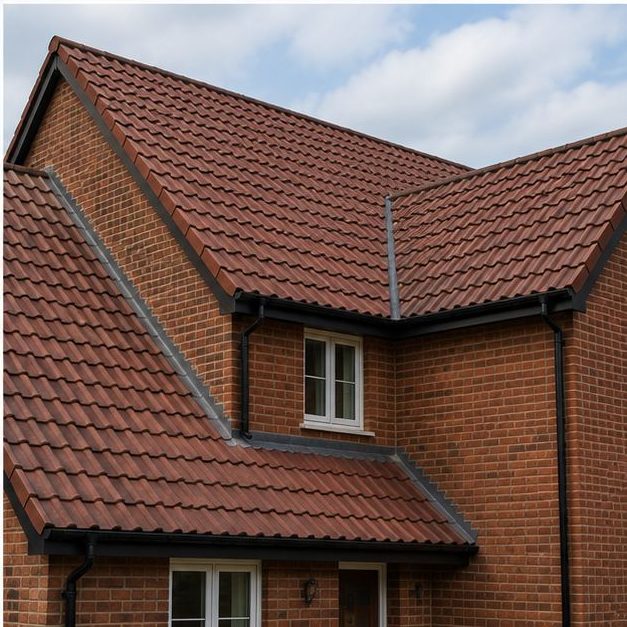
Water can travel a surprising distance once it gets past the outer covering, running along the top of an underlay, following the line of a rafter, or tracking down the inner face of a wall before it finally becomes visible as staining. This means a stain appearing on a bedroom ceiling in an Eastville home might actually originate from a fault several feet away, perhaps near a chimney, a valley, or a section of ridge that looks entirely unrelated at first glance. Tracing the leak accurately is therefore the essential first step in any sensible repair or replacement decision, because acting on an assumption rather than the actual source can mean paying for work that never actually addresses the real problem.
A proper leak trace typically involves inspecting the roof from both outside and inside on the same visit, checking the loft carefully for damp timber, staining patterns or any daylight showing through gaps in the covering, and looking closely at the vulnerable details such as flashings, valleys and ridge lines where failures are most common on most residential roofs. This process also reveals useful wider context, such as whether the leak in question is an isolated fault or one of several developing problems spread across different parts of the roof, which has a direct bearing on whether a repair or a full replacement is the more sensible next step to take. Photographs and notes taken during the trace also give homeowners a clear, tangible record of what was found, which is useful whether the next step is a repair, a replacement, or simply peace of mind that nothing further is going on.
Brunel Roofing Bristol treats this diagnostic stage as essential rather than a formality to be rushed through, since recommending replacement without first establishing exactly what has gone wrong would not give Eastville homeowners the clear, evidence-based advice they need in order to make a decision they can actually feel confident in. Sometimes the trace confirms that a full re-roof is genuinely the right call given the wider condition found; other times it shows quite clearly that a targeted, more limited repair will do the job perfectly well for now.
If you are dealing with a leak and are unsure whether it warrants a full roof replacement or a more limited repair, the sensible starting point is a thorough trace rather than a guess based on how old the roof looks. Brunel Roofing Bristol can carry out that investigation properly and give you clear, honest recommendations based on what is actually found on your particular roof.
Get a Free Quote for New Roof Installations in Eastville
Every roof is different — the fastest way to get an accurate answer is a quick chat with our team.