
Finding gritty debris in the gutter or on the patio below your roof edge is a familiar frustration for a lot of homeowners, and it usually points to the mortar along the verge breaking down rather than anything more serious. Understanding why it's happening helps you decide whether a patch-up or a proper fix is the right move.
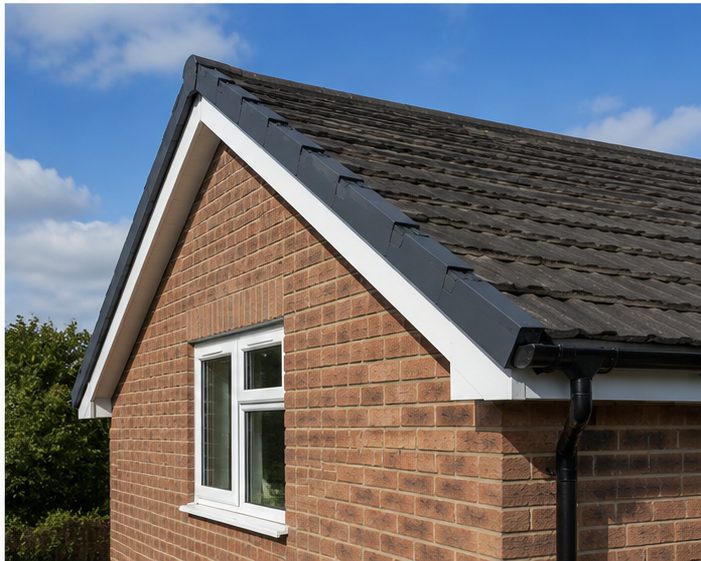
The main reasons mortar fails
Mortar is a rigid material bonded to tiles that move slightly with the roof structure as temperatures rise and fall, and over years that constant, tiny movement opens hairline cracks. Once water gets into those cracks it freezes in cold weather, expands, and pushes the crack wider, a cycle that repeats every winter until chunks eventually break away.
Poor original workmanship, an incompatible or overly weak mortar mix, and simple old age all speed this process up too, which is why some verges start crumbling within a decade while others last much longer before showing problems.
Why this matters beyond the mess
It's not just about debris in the guttering. Once mortar starts failing, gaps open up at the verge that let wind get under the tiles, and that can lead to tiles slipping, cracking or blowing off entirely in bad weather, alongside water finding its way into the roof void and causing damp inside the property.
It's also worth checking your gutters and downpipes aren't gradually filling with grit and mortar fragments, since a blocked gutter can overflow and cause its own separate damp problems around the wall head and fascias.
A more permanent solution
Rather than repointing the same spot every few years, many homeowners choose to replace the failing mortar entirely with a dry verge system, which doesn't rely on a bonded joint that can crack in the first place. Brunel Roofing Bristol can inspect your verge for free and advise honestly on whether a repair or a full dry verge conversion makes more sense for your roof.
Get a Free Quote for Dry Verge Systems
Every roof is different — the fastest way to get an accurate answer is a quick chat with our team.