
A chimney cowl is a small addition compared with the stack it sits on, but it solves a specific set of problems that a bare pot cannot handle on its own. Not every chimney needs one, but for the right situation a properly fitted cowl can prevent issues that would otherwise mean repeat call-outs. Whether one is worth fitting usually comes down to how the flue is used and how exposed the chimney is to wind and rain.
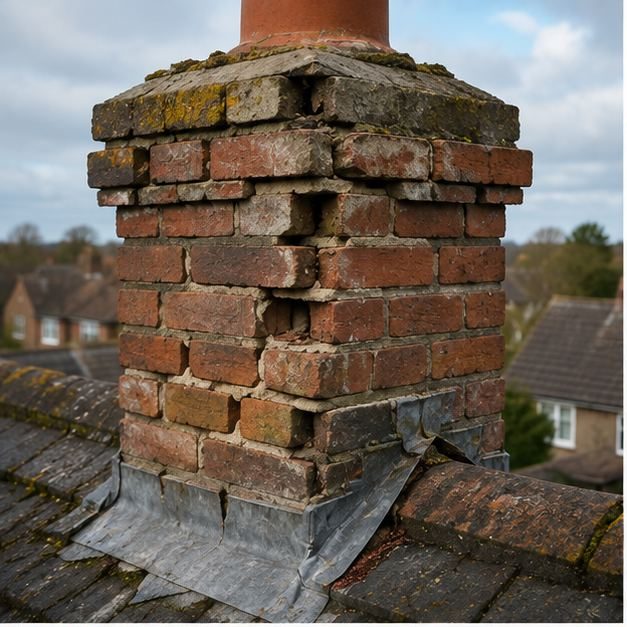
The most common type is a rain cowl, designed to stop water being driven straight down into an open flue during storms, which over time can contribute to damp inside the chimney breast and, on a working fireplace, cause problems with the fire itself. Bird guard cowls serve a different purpose, keeping nesting material and birds out of a flue — a blocked flue from an old nest is not just an inconvenience, it is a genuine safety issue on a chimney connected to an active appliance. Anti-downdraught cowls address a more specific problem: chimneys in certain locations, particularly where nearby buildings or trees affect airflow, can suffer from smoke being pushed back down into the room rather than drawing properly, and the right cowl design can correct this. Getting this diagnosis right before fitting anything matters, since the wrong cowl on a downdraught problem can make the smoke issue no better, or occasionally worse, so it is worth having the actual cause confirmed before spending money on a fitting that may not help.
Getting the type right matters more than people often expect. A cowl chosen for the wrong reason, or fitted to a flue it is not suited to, can actually restrict airflow and cause the very problem it was meant to solve. This is particularly relevant on properties in Emersons Green with a mix of older and newer construction, where flue sizes and chimney positions vary enough that a one-size-fits-all cowl is rarely the right answer. Taking the time to match the cowl to the specific flue tends to pay off in fewer problems down the line, rather than fitting something generic and hoping it happens to suit the chimney it ends up on.
Installation itself is a relatively quick job once access to the top of the stack is arranged, but it needs to be fitted securely — a poorly seated cowl can work loose in high winds and end up causing the exact kind of damage it was installed to prevent, or simply come off the pot altogether during a storm.
If you are dealing with a smoky fireplace, birds getting into a flue, or you simply want to protect a disused chimney from water ingress, a cowl is often a straightforward and relatively inexpensive fix. Brunel Roofing Bristol can advise on the right type for your specific chimney and carry out the installation properly — get in touch for a free assessment.
Get a Free Quote for Chimney Repairs in Emersons Green
Every chimney is different — the fastest way to get an accurate answer is a quick chat with our team.