
Preventing a chimney leak is nearly always cheaper and less stressful than fixing one, yet most homeowners in Longwell Green only think about chimney maintenance once water has already found its way in. A handful of simple habits, combined with the odd professional check, can catch the early signs of trouble long before they turn into a damp patch on a ceiling or ruined plaster on a chimney breast.
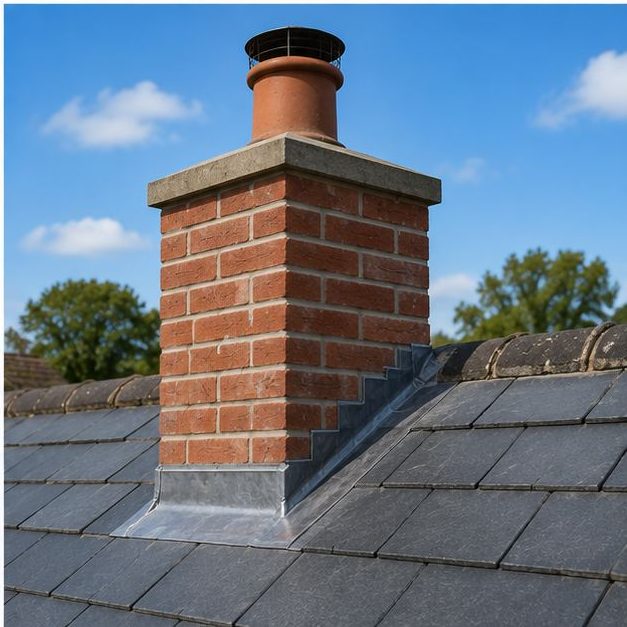
The most useful habit is a periodic visual check from ground level — a couple of times a year, and definitely after any particularly severe storm. Look for crumbling or dark, damp-looking mortar joints, a pot that appears loose or off-centre, staining running down the brickwork, or debris in the gutters below the stack that suggests material has come off the chimney. None of this requires special access, just a bit of regular attention. It is a habit worth building into an existing routine, such as checking gutters are clear, rather than treating it as a separate task that is easy to forget about from one year to the next.
Keeping an eye on the inside of the house matters just as much. A faint musty smell, discolouration on a chimney breast, or a damp patch appearing anywhere near the stack — even if it is not directly beneath it — is worth investigating promptly rather than waiting to see if it gets worse. Because water can travel some distance from where it actually enters before it shows itself, catching a leak early, while the damage is still limited, makes for a far simpler and cheaper fix.
Beyond visual checks, having the chimney professionally inspected every few years is genuinely worth the modest cost, particularly for older or taller properties in Longwell Green where the top of the stack — flaunching, pots and lead flashing — cannot be properly assessed from ground level and is where the majority of leaks actually originate. Catching failing flaunching or lifting lead before it lets water in is considerably cheaper than repairing the damp damage that follows once it has.
It is also worth having any disused chimneys properly capped rather than left open, since an unused flue with no fire to dry it out is a particularly common and easily overlooked route for water ingress, quietly causing damp for years before anyone notices. A vented cap allows a small amount of air to keep circulating through the flue, which helps prevent condensation building up even once the fireplace below is no longer in use.
If you would like your chimney checked over before the wetter months set in, Brunel Roofing Bristol offers free, no-obligation inspections for homes in Longwell Green, along with a 24-hour emergency call-out should a leak ever catch you out despite your best efforts to prevent one.
Get a Free Quote for Chimney Repairs in Longwell Green
Every chimney is different — the fastest way to get an accurate answer is a quick chat with our team.