
When a chimney stack has deteriorated to the point where patch repairs no longer make sense, homeowners in Eastville are usually left choosing between two quite different paths: rebuild it properly, or remove it and cap the flue below roofline. Both are legitimate options, and which one suits a particular property depends on more than just the state of the brickwork. It is a decision worth taking a little time over, since it affects both the look of the property and its ongoing maintenance costs for years to come.
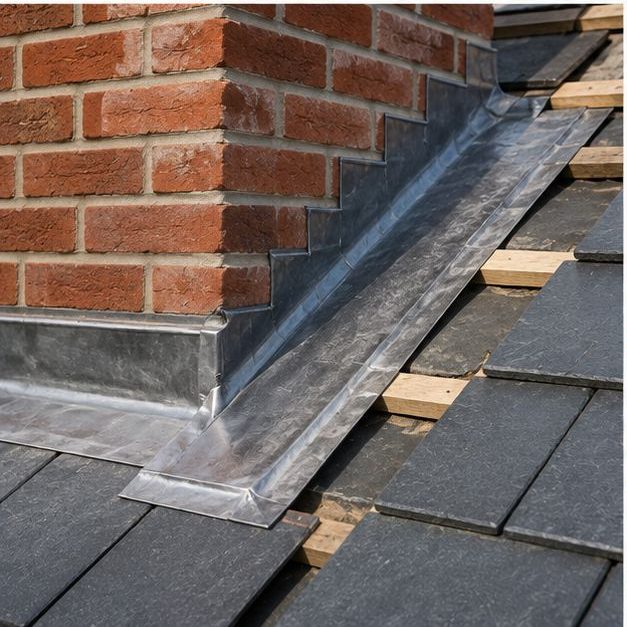
A rebuild, whether partial or complete, replaces the deteriorated section with new brick and mortar matched as closely as possible to the existing stack, then finishes with new flaunching and the pots reset on top. Partial rebuilds are common where only the upper few courses have failed, which is often the case since that section takes the worst of the weather. A complete rebuild, taking the stack down to roofline and reconstructing from there, is needed when deterioration runs deeper or where structural movement has been confirmed. Either way, the finished stack should end up matched closely enough to the original that it does not stand out as an obvious repair once the scaffolding comes down.
Removal is a different proposition altogether, usually considered where the chimney is disused — no working fireplace or flue beneath it — and where the ongoing cost of maintaining a structure that serves no functional purpose starts to look hard to justify. Removing the stack down to roofline and capping the flue properly, with appropriate ventilation left in place to prevent damp building up in the redundant flue, removes the recurring maintenance burden entirely. It also removes the ongoing cost of repointing, flaunching and flashing repairs that a stack no longer serving any purpose would otherwise keep needing.
The decision usually comes down to a few practical questions: is the flue still in use or likely to be in future, does the property's character depend on that stack remaining as a visual feature, and how does the cost of a proper rebuild compare with the cost of removal plus any internal work needed where the chimney breast continues down through the house. Many period and older properties in Eastville were designed with the chimney as a defining part of the roofline, and removing it can occasionally affect how the property reads from the street, which is worth weighing even where it is not a formal planning consideration.
There is no universally right answer here — it genuinely depends on the individual stack, the property, and what the owner wants from it long term. What matters is making that decision with accurate information about the chimney's actual condition, rather than guessing.
Brunel Roofing Bristol can inspect a deteriorating stack in Eastville and talk you through both options honestly, including realistic costs for each, so you can make the call that suits your home rather than the one that is simply easiest to price.
Get a Free Quote for Chimney Repairs in Eastville
Every chimney is different — the fastest way to get an accurate answer is a quick chat with our team.