
A chimney that's showing its age doesn't automatically need a full rebuild, and jumping to that conclusion can mean spending considerably more than necessary. Equally, treating a genuinely unstable stack with surface-level repairs is a false economy that usually costs more in the long run. Telling the two apart comes down to a handful of specific checks rather than a general impression.
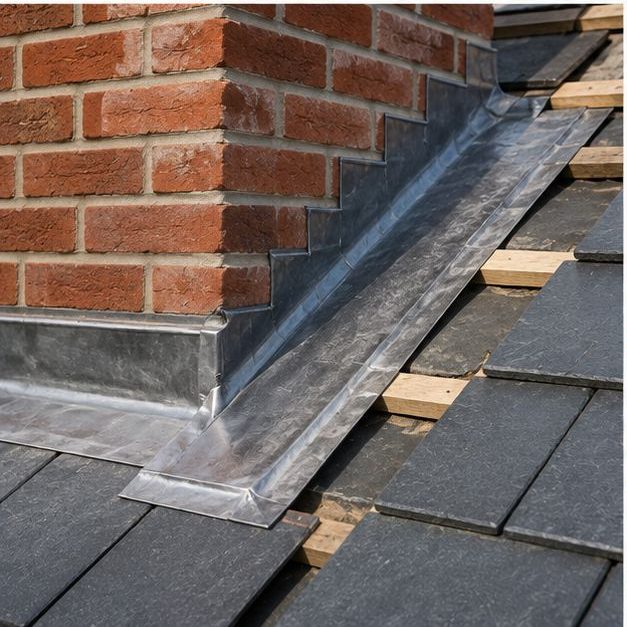
Repairable problems typically include failed mortar joints, isolated spalling on individual bricks, cracked flaunching, damaged flashing, or a chipped or cracked pot. These are all issues confined to a specific element of the stack, and addressing them individually, through repointing, patching, or replacing the affected part, resolves the problem without needing to touch sound brickwork elsewhere.
A rebuild becomes necessary when the issue is structural rather than cosmetic: a stack that leans, cracks running through multiple courses of brick rather than just the mortar between them, or widespread spalling across a large area rather than a few isolated bricks. These conditions mean the brickwork itself has lost integrity, which repointing or patching can't restore. Older properties in Bedminster, particularly Victorian terraces with taller original stacks, are more likely to reach this point simply through age and decades of weather exposure.
It's also worth knowing that a rebuild doesn't necessarily mean the entire stack from roofline to base. Where deterioration is concentrated in the upper courses, which is common since that section takes the most weathering, a partial rebuild reconstructing just the affected part is often sufficient, with sound brickwork lower down left untouched.
Age isn't a guarantee of needing a rebuild, but it does raise the odds. Many of the taller stacks on Victorian and Edwardian properties across Bedminster have simply had more decades of weather exposure than a modern chimney, which is part of why they're more likely to eventually need structural attention rather than repeated surface repairs. Delaying the decision doesn't usually make it easier, either. A stack with early structural movement that's left unaddressed for another few years, on the basis that repointing has held so far, tends to end up needing a larger rebuild than it would have if caught sooner, simply because the underlying problem keeps progressing while surface repairs paper over it. Acting on genuine warning signs earlier rather than later is usually the more cost-effective path. It's also worth remembering that a chimney rarely fails all at once. Most stacks show a slow build-up of smaller warning signs over several years before reaching the point where a rebuild becomes the only realistic option, which is exactly why regular checks matter.
The only way to know for certain which category your chimney falls into is a proper inspection at roof level, since problems that look serious from the ground can sometimes turn out to be repairable, and vice versa. We assess chimneys across Bedminster for free and always recommend the smallest job that will genuinely last, backed by a 15-year guarantee on the work we carry out.
Get a Free Quote for Chimney Repairs in Bedminster
Every chimney is different — the fastest way to get an accurate answer is a quick chat with our team.