
A loft is one of the most useful places to check after a storm, because it's often where the first honest signs of roof damage appear, sometimes well before anything is visible on the ceilings below. It doesn't need to be a long or difficult job. A torch and a few minutes on a still, calm day is usually enough to get a good sense of whether anything needs a closer, more professional look.
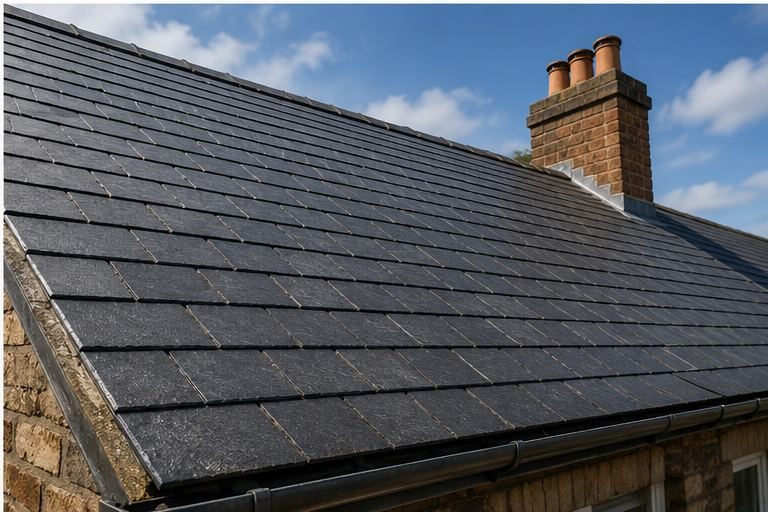
Start by looking up at the underside of the roof slope and the underlay for any patches of daylight coming through, which would suggest a tile or slate has slipped or gone missing outside. Daylight showing through in a spot that wasn't visible before a storm is one of the clearest, easiest-to-spot warning signs available to a homeowner without needing to get up on the roof itself.
Next, check the timbers and the underside of the roof covering for damp patches, discolouration or a musty smell, since these can indicate a slow leak that hasn't yet worked its way through to a ceiling downstairs. Pay particular attention to areas around the chimney breast, valleys and anywhere pipes or vents pass through the roof, as these junctions are generally more prone to water finding a way in than a plain, unbroken run of tiles. Running a hand lightly along a suspect timber can pick up dampness that torchlight alone might miss.
It's also worth glancing at the insulation for obvious wet or flattened patches, and checking that nothing has visibly sagged in terms of the roofing felt between rafters. If your loft is used for storage, moving a few boxes to check the floor and roof space behind them is worthwhile too, since damp can sit unnoticed behind stacked belongings for weeks before anyone spots it. A quick check of any water tanks or pipework in the loft is sensible at the same time, since a genuine roof leak can sometimes be mistaken for a plumbing issue, or vice versa, and knowing which one you're dealing with saves calling out the wrong trade first.
None of this requires walking across joists that aren't boarded, or attempting to inspect anything beyond safe reach. If access is difficult or the loft space is tight, a visual check from the hatch with a good torch is a reasonable starting point, and anything beyond that is genuinely better left to someone with the right equipment and training, particularly around old or unboarded areas where a misplaced foot can go straight through a ceiling.
If your loft check in Bishopsworth turns up daylight, damp or anything that wasn't there before the storm, it's worth getting it looked at properly rather than waiting to see if it gets worse. Brunel Roofing Bristol offers free inspections and can quickly identify whether what you've found is a minor fix or something that needs more urgent attention.
Need Emergency Roof Repairs in Bishopsworth?
Every case is different — the fastest way to get an accurate answer is a quick chat with our team.