
Yes, converting from failing mortar to a dry verge system is one of the most common jobs roofers carry out, and it's usually far more straightforward than homeowners expect. In most cases there's no need to touch the tiles themselves, just the pointing at the roof edge.
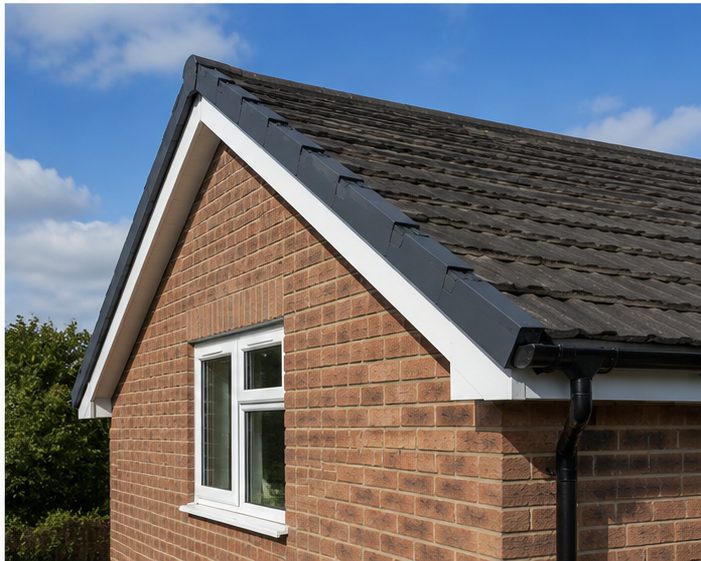
What the conversion actually involves
The old, cracked mortar is carefully raked and chipped away from the verge, taking care not to disturb or crack the tiles underneath, and any debris is cleared from the roof and gutters. Once the edge is clean, the appropriate dry verge units are screwed into place over the existing tiles, working from the eaves up to the ridge, with a matching ridge finial to complete the run.
Because the tiles are reused rather than replaced, this is usually a quicker job than a full re-roof, often completed within a day or two depending on the size of the roof and access to the property.
Signs it's time to make the switch
Cracked or missing mortar along the verge, small chunks of debris in the gutter or on the patio below, and daylight visible through gaps at the roof edge are all signs the current pointing has had its day. Left unaddressed, gaps at the verge let wind get under the tiles, which can loosen them further and let water track into the roof void.
On many Bristol terraces and semis the mortar was originally laid decades ago and simply hasn't been touched since, so by the time it's visibly crumbling it's often already let some wind and water in without anyone noticing from ground level.
Getting it assessed properly
Because it's not always obvious from the ground how far the deterioration has spread, it's worth having a professional take a look before committing to a fix. Brunel Roofing Bristol offers free, no-obligation inspections and can usually tell you on the spot whether a dry verge conversion is the right call for your roof.
Get a Free Quote for Dry Verge Systems
Every roof is different — the fastest way to get an accurate answer is a quick chat with our team.