
It is a fair question to ask before investing in a roof clean: once the moss is gone from a Bishopston roof, will it simply come back, and if so, how quickly? Understanding what a clean can and cannot promise helps set realistic expectations.
A proper clean, using a soft-wash approach with an appropriate biocide treatment, removes existing moss growth and inhibits regrowth for a meaningful period afterwards. It is not, however, a permanent barrier. The biocide treatment gradually weathers away over time, and once it does, the roof surface is once again exposed to whatever environmental conditions caused the moss to establish in the first place.
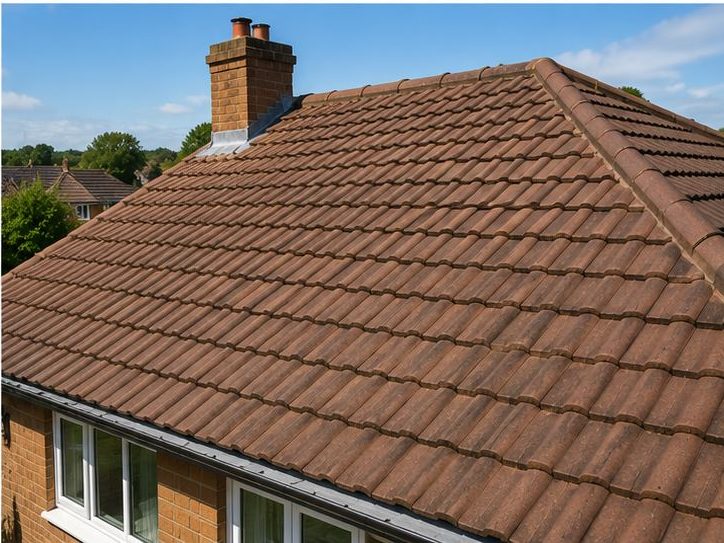
Comparing notes with neighbours on similarly positioned Bishopston properties can also be a useful, informal way of gauging what to expect, since roofs of similar age, orientation, and tree cover on the same street tend to behave in broadly similar ways. It is not a scientific method, but it can offer a rough, practical sense of how quickly regrowth is likely to become noticeable again in your particular setting.
This is the key point: a clean deals with the moss, but it does not change the underlying conditions, shade, moisture, tree cover, that made the roof hospitable to moss to begin with. On a Bishopston property with a heavily shaded, north-facing slope near mature trees, those conditions remain exactly as favourable to moss after a clean as they were before, so regrowth in that spot will generally happen faster than on a more open, sunnier roof.
This does not mean cleaning is a wasted effort on shaded properties, far from it. It simply means the realistic expectation should be periodic reassessment and treatment as needed, rather than assuming one clean will last indefinitely regardless of the roof's setting. A sunnier, more open Bishopston roof might comfortably go several years before needing attention again, while a heavily shaded one might need a shorter interval.
Keeping an eye on the roof between cleans is a sensible habit, watching for the earliest signs of returning growth, small patches of green or black discolouration, particularly in the shadier areas that were problematic before. Catching regrowth early, while it is still light, makes any follow-up treatment considerably quicker and less involved than waiting until it has become established again.
It is also worth noting that trimming back overhanging branches where practical, and keeping gutters clear, can genuinely help slow regrowth by reducing some of the moisture and debris that feeds it, even though they cannot eliminate the underlying shade that a north-facing slope will always have.
It is also worth setting expectations around what regrowth actually looks like when it does begin. It rarely reappears as a sudden, dramatic covering, more typically it starts as faint green tinting in the same shaded spots that were problematic before, gradually thickening over subsequent seasons if left unaddressed. Recognising this early stage for what it is, rather than dismissing it as insignificant, is what allows a follow-up treatment to stay quick and straightforward rather than turning into another full-scale clean.
If you are wondering how quickly moss is likely to return on your particular Bishopston roof, it is worth getting an honest opinion based on your roof's specific conditions rather than a generic answer. Brunel Roofing Bristol can assess your property and advise on what to realistically expect.
Get a Free Quote for Roof Cleaning in Bishopston
Every roof is different — the fastest way to get an accurate answer is a quick chat with our team.