
Choosing lead as a flashing material is only part of the story. On the varied and often complex roofs found across St Pauls, from terraces with awkward valleys to townhouses with multiple chimney stacks and bay roofs, the real difference between a roof that stays dry for decades and one that leaks within a few years usually comes down to the quality of the detailing rather than the material itself.
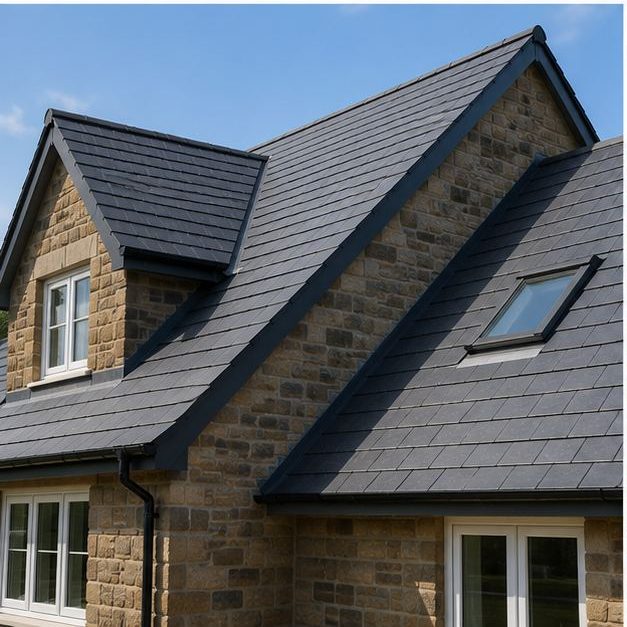
Correct detailing starts with using the right thickness, or code, of lead for each application, since a piece that is too thin will fatigue and crack far sooner than one specified correctly for its exposure and span. It also means allowing adequate laps between adjoining sections, so that water is always directed onto the surface below rather than able to find a straight path through a joint, and building in expansion joints on longer runs so the lead can move naturally without splitting under stress.
Fixing method matters just as much as the sizing. Lead that is nailed too rigidly, or fixed at too many points along its length, is prevented from expanding and contracting naturally with temperature changes, which is one of the most common causes of premature cracking on older roofs. Skilled roofers use clips and fixings that hold the lead securely in place while still allowing it the small amount of movement it needs over the seasons, rather than pinning it down so tightly that it has nowhere to go.
Falls also need to be considered carefully, particularly in back gutters behind chimneys and along valleys, where water needs a clear, adequately pitched path away from the junction. A back gutter or valley with too shallow a fall can allow water to sit rather than drain freely, leading to ponding, debris build-up and eventually failure at the lowest point of the run, sometimes years before the rest of the roof shows any sign of ageing.
Ventilation and access for future maintenance are part of good detailing too. Leadwork that is planned with a small amount of accessible margin, rather than mortared or sealed in so tightly that it cannot be inspected again, makes it far easier for any future roofer to check its condition without having to disturb tiles or slates unnecessarily, which keeps ongoing maintenance simpler and cheaper for the homeowner over the life of the roof.
This is why the same material can perform very differently depending on who installs it. Brunel Roofing Bristol pays close attention to these details on every new roof fitted in St Pauls, because it is this level of care, rather than the leadwork alone, that ultimately keeps a roof watertight for the long term. If you would like to understand how a quote addresses this kind of detailing before committing to any work, we are happy to talk it through with you.
Get a Free Quote for New Roof Installations in St Pauls
Every roof is different — the fastest way to get an accurate answer is a quick chat with our team.