
Roof shape has a bigger influence on wind performance than many homeowners expect when they first start thinking about replacement. A simple hipped roof, sloping on all four sides, tends to shed wind more evenly than a gable roof with a flat, vertical end wall exposed directly to prevailing gusts coming across open countryside. Around Nailsea, where housing ranges from compact older cottages to larger estate homes with more complex rooflines and multiple additions over the years, the shape of each individual roof plays a real part in how it should be specified and detailed.
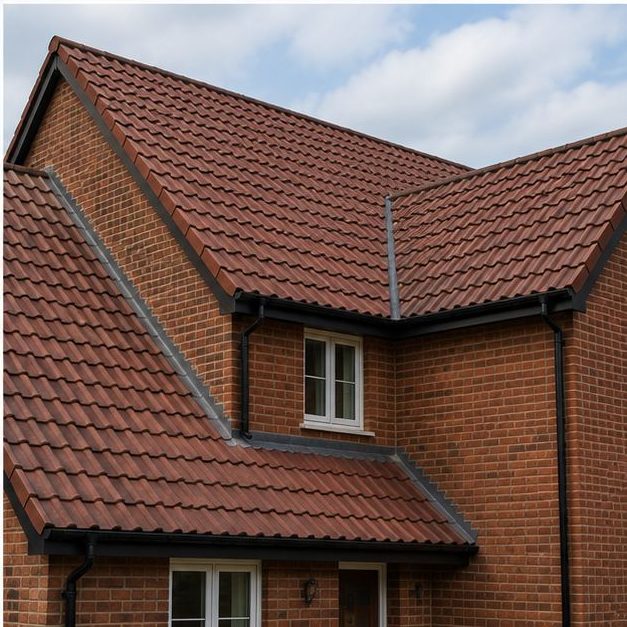
Pitch matters too, and it is not simply a case of steeper being safer. A steeper roof can shed rain more effectively and quickly, but it also presents more surface area to horizontal wind pressure as a result, while a shallower pitch reduces that exposure but can be less effective at clearing water quickly during heavy downpours or prolonged wet spells. Neither is automatically better than the other; the right balance depends on the specific building, its orientation, its surrounding shelter and how exposed the plot happens to be to the prevailing weather.
More complex roofs, with multiple valleys, dormers or changes in direction, introduce additional junctions where wind can find a way in if detailing is not handled with real care and attention. These junctions are often where problems first appear on an older roof, since they require more skill to weatherproof correctly than a simple, unbroken slope running from ridge to eaves. A straightforward roof shape is generally easier to make wind-resistant than an intricate one, though plenty of Nailsea homes were simply built the way they were built decades ago, and the new roof has to be specified to suit whatever shape already exists.
Extensions and additions built onto a property over the years can further complicate matters, since they often introduce a new roof plane meeting the original structure at an angle that was never part of the house's original design. These junctions between old and newer roofing are a common source of leaks precisely because wind behaves unpredictably around them, catching and swirling rather than passing smoothly over a single continuous surface. A re-roof is a natural opportunity to look at these areas afresh and make sure they are detailed with the same care as the rest of the building.
Brunel Roofing Bristol takes roof shape and pitch into account as standard when assessing a property, since two roofs of a similar overall size can face very different wind conditions purely because of their form and the number of junctions involved.
If you are unsure how your particular roof shape affects its exposure to wind, an on-site assessment is the most reliable way to find out rather than guessing from ground level, and it is a natural first step before arranging a quote for a new roof.
Get a Free Quote for New Roof Installations in Nailsea
Every roof is different — the fastest way to get an accurate answer is a quick chat with our team.