
Ordinary rain falling straight down is not usually what causes leaks on an older roof. It is rain driven sideways by wind that finds its way into gaps that would otherwise stay dry, and that is why so many leaks on Chipping Sodbury's older properties seem to appear only during particular storms rather than during every spell of wet weather.
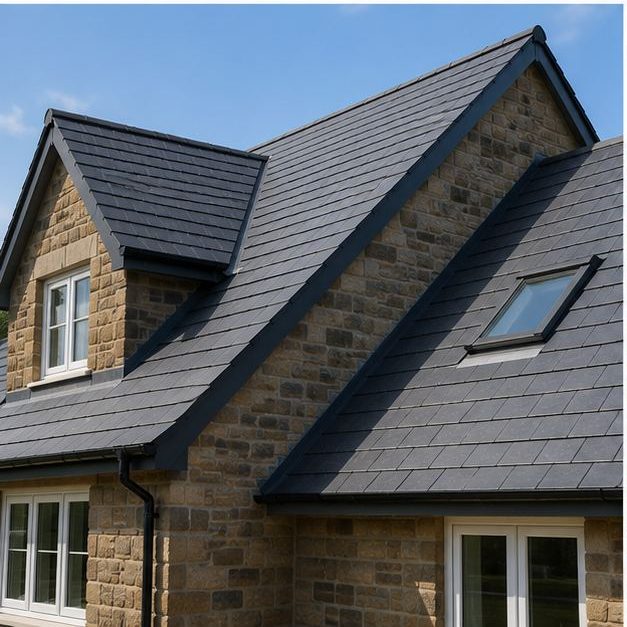
On a roof in good condition, tiles or slates are laid with generous overlaps specifically to cope with wind-driven rain being pushed up and under the surface covering. As a roof ages, though, tiles can slip slightly out of position, nibs can wear or break, and the overlap that once kept water out gets reduced. Wind-driven rain exploits exactly that kind of small movement, forcing its way in at an angle that still water would never reach.
The underlay beneath the tiles is the roof's backup defence, and on many older Chipping Sodbury properties that underlay is a bituminous felt that has become brittle with age. Once it cracks or perishes, it can no longer catch and redirect any water that does get past the tiles, so wind-driven rain that would once have been safely channelled away now has a route straight through to the timber below.
Battens, roof timbers, and even ceiling plasterboard can all suffer once this pattern of intermittent, storm-only leaking becomes established, because the damage often happens slowly and is only noticed once staining appears inside the house. By that point, the moisture may have been getting in for several storms already, quietly affecting timber that is hard to inspect without stripping the roof.
The direction a roof slope faces also plays a part in how much wind-driven rain it experiences over the years. Elevations that face the prevailing weather typically show wear, moss growth, and slipped tiles sooner than more sheltered slopes on the same house, which is why a roofer inspecting an older property in Chipping Sodbury will often check the weather-facing side more closely, since that is usually where problems first take hold, sometimes years before the sheltered slope shows any comparable wear.
Roof shape adds another layer to this. Valleys and abutments concentrate water flow even in ordinary rain, and when that water arrives at an angle during a storm, poorly detailed junctions are exposed even faster than open tiled areas. This is one of the reasons a leak often seems to appear near a chimney or a valley rather than in the middle of a plain roof slope.
If your home in Chipping Sodbury only seems to leak when the wind is blowing from a particular direction, that is a strong sign the covering and underlay are due for renewal rather than another spot repair. Brunel Roofing Bristol can inspect the roof, identify where wind-driven rain is getting in, and recommend whether a repair or a full re-roof is the right next step. Contact us to arrange a visit.
Get a Free Quote for New Roof Installations in Chipping Sodbury
Every roof is different — the fastest way to get an accurate answer is a quick chat with our team.