
Ridges, hips and verges are where a roof's separate slopes meet, and they carry more of the weatherproofing burden than their modest size might suggest. On a new roof in Redcliffe, these junctions are finished once the main tiling is complete, using methods chosen to suit the property and its exposure rather than applied as a default.
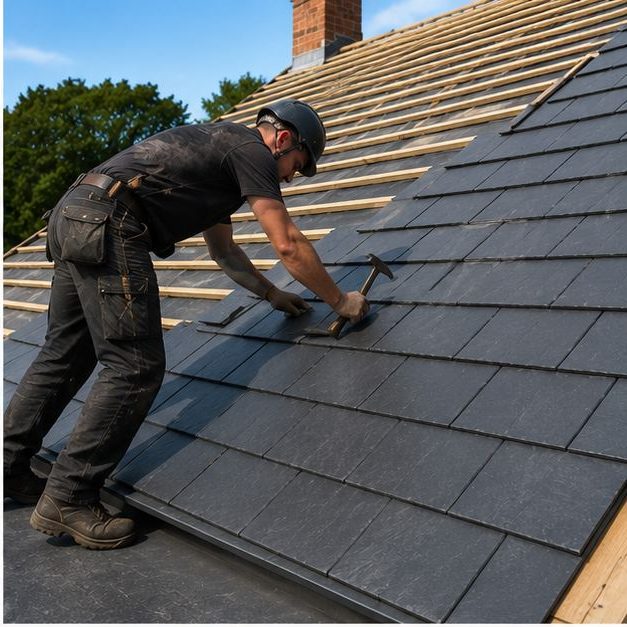
Ridge tiles, which run along the horizontal apex of the roof, and hip tiles, which cover the sloping junctions on hipped roof shapes common across some of Redcliffe's newer apartment developments, can be fitted using either traditional mortar bedding or a dry-fix system with mechanical fixings and ventilated closures. Dry-fix has become increasingly popular because it avoids the risk of mortar cracking and falling away over time, which can otherwise let wind and rain in at exactly the point where a roof is most vulnerable.
Verges, which run down the sloping edges of a roof at gable ends, need similarly careful treatment. On terraced and semi-detached properties near the harbour, verges are directly exposed to wind coming off open water, so secure detailing here matters more than it might on a sheltered inland site. A dry verge system is often specified for exactly this reason, giving a clean, secure edge without relying on mortar that can weaken with age.
Getting these details right also affects how a roof looks from street level, since ridges and verges form the visible outline of the whole roof. On a historic building in Redcliffe where appearance matters as much as performance, matching new ridge or hip tiles to the character of the property is part of the specification process rather than an afterthought.
Ventilation is another consideration built into ridge and hip work, since many dry-fix systems include integrated ventilation strips that allow air to escape from the roof space along its highest point. This can be particularly useful on well-insulated modern flats in Redcliffe, where controlling moisture within the roof void matters just as much as keeping rain out. Fixings themselves are also chosen with an eye to the local conditions, with mechanical screws or clips used at ridge and hip lines to resist uplift during the strong gusts that can funnel along the harbourside on exposed days.
Even the mortar used in traditional bedding, where it is still specified, is mixed to an appropriate strength and colour so it bonds well without becoming a weak point of its own in future years.
These finishing details make a real difference to how long a roof lasts before its next round of maintenance. Brunel Roofing Bristol specifies ridge, hip and verge work based on each property's exposure and appearance, and we are happy to talk through the options for a re-roof in Redcliffe.
Get a Free Quote for New Roof Installations in Redcliffe
Every roof is different — the fastest way to get an accurate answer is a quick chat with our team.