If you are planning a renovation on an Old Market property, the roof is not always the first thing on the list, but dealing with moss before work starts can genuinely make sense, both practically and financially. It is worth thinking about early rather than as an afterthought once the project is well underway and harder to adjust without disrupting work that is already in progress.
The most obvious reason is that moss can hide the true condition of a roof, and that is exactly the kind of information you want before committing to a renovation budget. Cracked tiles, slipped slate, or deteriorating mortar sitting hidden beneath a mat of growth can turn into unplanned extra costs if they are discovered midway through works, or worse, after the renovation is finished and the scaffolding has already come down and been removed.
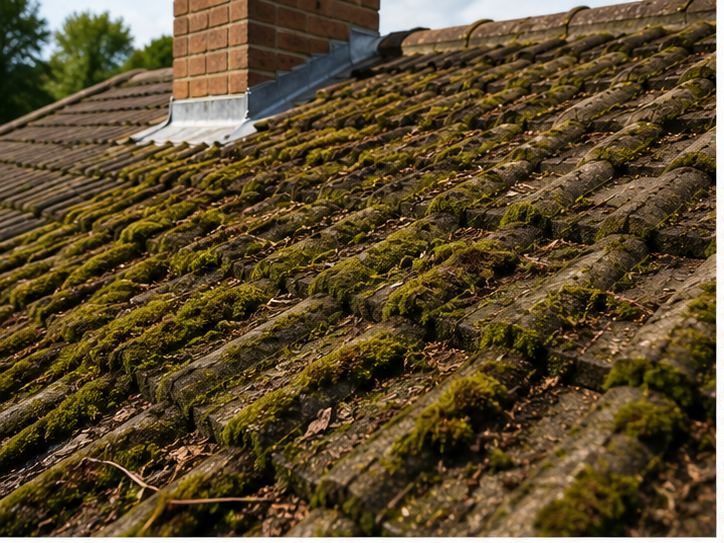
Having the roof cleaned properly beforehand, using a soft-wash and biocide-led approach suited to Old Market's often older tile and slate coverings, gives you a clear, accurate picture of what condition the roof is actually in. That means any necessary repairs can be planned and budgeted for as part of the renovation itself, rather than discovered as a costly surprise afterwards.
There is a practical building sequence to consider too. If scaffolding is going up for other renovation work, that access can often be used efficiently for a roof clean and inspection at the same time, rather than arranging separate access later purely for the roof. It is worth discussing timing with your renovation team so the two jobs can be coordinated sensibly from the outset of the wider project.
For period and older Old Market properties specifically, a clean roof also tends to complement renovation work aimed at improving the overall appearance and value of the building. There is little point investing in a smart new façade or updated windows if the roof above is still streaked with moss and algae, undermining the overall impression the renovation is meant to achieve.
It is also worth remembering that moss removal itself is a relatively contained job compared to structural renovation work, and dealing with it early rather than leaving it until last means any tile or mortar repairs it uncovers can be folded neatly into the wider project rather than treated as a separate, later expense once the main works are complete.
For anyone planning to let or sell the property after renovation, a properly assessed and cleaned roof also gives useful reassurance to future occupants or buyers, since it demonstrates the whole building, not just the visible interior finishes, has been genuinely looked after.
It is also worth considering how a renovation project changes the way a roof is used and viewed afterwards, whether that means a loft conversion bringing the underside of the roof into daily use, or simply a refreshed property where a moss-streaked roof would stand out far more than it did before. Addressing it early avoids that mismatch once the rest of the work is complete.
If you are planning renovation work on an Old Market property and want to know whether the roof should be addressed first, get in touch with Brunel Roofing Bristol. We will assess the roof properly, explain what we find, and help you plan the right sequence of work.
Get a Free Quote for Roof Cleaning in Old Market
Every roof is different — the fastest way to get an accurate answer is a quick chat with our team.