
Not every roof structure in Bradley Stoke is built to carry the same load, and this is worth thinking about carefully when planning a replacement. Extensions, garages, conservatories and some of the lighter timber-framed sections found on later-phase housing were not always designed with heavy natural materials in mind, which is where lightweight roofing options become genuinely useful rather than just a preference for a particular look. Choosing the wrong material for these structures can place unnecessary strain on timbers that were never intended to bear it, and this can shorten the life of the roof considerably.
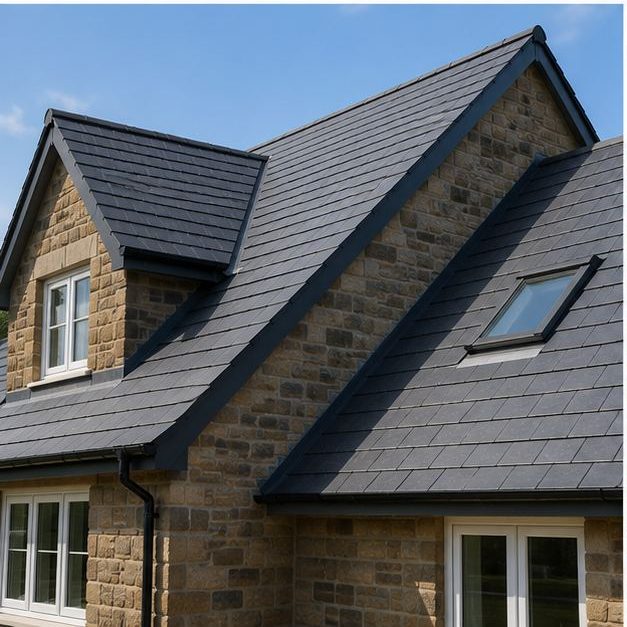
Fibre cement slates are one of the more common lightweight alternatives, giving a similar visual effect to natural slate at a fraction of the weight, which reduces the load placed on rafters and existing timberwork. They are widely used across newer housing in Bradley Stoke where a slate-effect finish is desired without the structural implications of quarried stone, and they hold their appearance well over time with minimal fading or discolouration. Lightweight interlocking concrete tiles are another option, engineered to be thinner and lighter than traditional profiles while still meeting the same performance standards for water resistance and durability, making them a practical middle ground for many family homes that need a balance of cost, weight and appearance.
For flatter sections of roof, which do appear on some of the more contemporary house designs around Bradley Stoke, modern single-ply membranes or GRP fibreglass systems offer a lightweight, low-maintenance covering that avoids the issues associated with older felt roofing, such as blistering, splitting and ponding water. These systems are particularly well suited to porches, dormers and garage roofs where a steep pitch was never part of the original design, and they can be installed with minimal disruption to the rest of the property, often within a day or two depending on the size of the area involved.
Choosing the right lightweight material depends on the specific structure involved, and a proper assessment of the existing timbers and roof pitch should always come before any decision is made. Getting this wrong can mean either overspending on a heavier material the structure does not need, or under-specifying a covering that fails to perform as well as it should over time, leading to problems that only become apparent after a few years of weathering. A survey should also check how the existing timbers have coped with their current covering, since signs of sagging or deflection can indicate that even a moderate weight has already been pushing the structure close to its limits. Brunel Roofing Bristol has experience matching lightweight materials to the right sections of a Bradley Stoke property, ensuring the finished roof performs well without placing unnecessary strain on the building.
Cost is another factor worth weighing alongside weight, since lightweight materials do not always sit at either extreme of the price range and can, in some cases, offer better long-term value than a heavier alternative once installation and structural work are taken into account. Homeowners are sometimes surprised to find that a lightweight covering also simplifies the wider project, reducing the amount of remedial carpentry needed to strengthen an ageing roof structure before new tiles or slates can be fitted safely.
If you have a section of your Bradley Stoke property where weight is a genuine concern, whether that is an older extension or a structure with slender rafters, it is worth discussing lightweight options with a specialist before assuming a like-for-like replacement is the only route available to you. Brunel Roofing Bristol can advise on suitable materials and provide a quote tailored to your specific roof and its structural needs.
Get a Free Quote for New Roof Installations in Bradley Stoke
Every roof is different — the fastest way to get an accurate answer is a quick chat with our team.