
Roof windows aren't a universal fit for every roof, and pitch is one of the first things checked before recommending one. Because Horfield includes everything from steeply pitched Victorian and Edwardian roofs to the shallower pitches found on some later pitched roofing systems, the suitability and specification of a roof window can differ noticeably from one property to the next, even between houses that look broadly similar from the street.
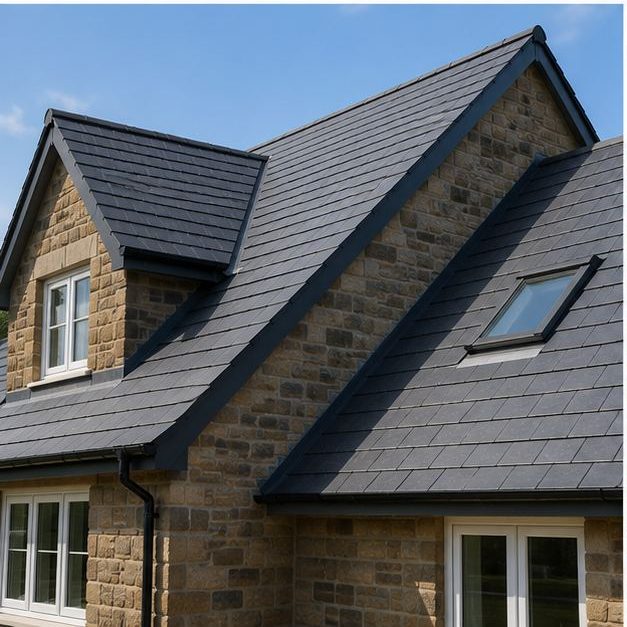
Most roof windows are designed to work within a defined pitch range, generally somewhere between around 15 and 90 degrees depending on the manufacturer and model, with performance and weatherproofing tested specifically within those limits. Fit a standard window outside its rated range and water can behave differently around the frame than the flashing was designed to handle, increasing the risk of leaks over time as rain runs off at an angle the flashing simply wasn't built to manage.
On steeper roofs, common on many of the older properties around Horfield, standard roof windows generally perform well, though flashing details still need to suit the tile or slate depth involved and the specific angle of the slope. On shallower pitches, sometimes found on extensions or later-built sections of roof, a different window specification or additional weatherproofing measures may be needed to achieve the same reliable result, and this is something worth establishing before any window is ordered rather than after it arrives and turns out to be the wrong specification.
Getting the pitch assessment right at the outset avoids ordering the wrong product or, worse, fitting a window that later proves unsuitable for the roof it's on, which can mean removing and replacing a unit that's barely been used. Pitch also has a knock-on effect on where the window sits in relation to surrounding tiles and how much of a step is created at the top and bottom of the frame, both of which affect long-term weatherproofing. Brunel Roofing Bristol checks roof pitch as a standard part of any survey involving roof windows, so the specification matches the roof rather than being assumed from a general catalogue listing.
Pitch can also vary across a single Horfield roof, particularly where a property has had an extension or a dormer added over the years, so it's not always safe to assume the whole roof shares one uniform angle. A slope over a rear extension, for example, might sit at a noticeably shallower pitch than the original roof it joins onto, meaning two different window specifications could be needed on the same property depending on where each one is going. Checking pitch slope by slope, rather than for the roof as a whole, is the only way to be confident every window fitted will perform as it should.
If you're not sure whether your roof's pitch suits a roof window, that's exactly the kind of question worth raising with a roofer before committing to a product. Brunel Roofing Bristol can assess your Horfield roof and advise on suitable options as part of a free quote.
Get a Free Quote for New Roof Installations in Horfield
Every roof is different — the fastest way to get an accurate answer is a quick chat with our team.