
When a roof in Shirehampton is due for a new ridge, homeowners are often surprised there is a choice to make at all beyond colour or tile type. The two main approaches, traditional mortar bedding and modern dry ridge fixing, achieve the same basic job of capping the roof and keeping water out at its highest point, but they go about it quite differently underneath, and each has its place depending on the age, style and exposure of the particular property involved.
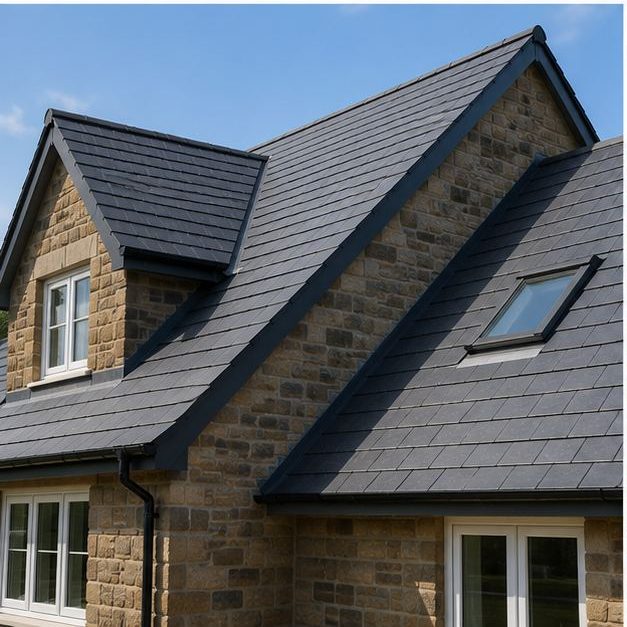
Mortar ridge is the method most people picture when they think of a tiled roof: ridge tiles bedded on cement mortar along the apex, pointed neatly to shed water down each side of the roof. It has a long history, it is familiar to most trades and homeowners alike, and on many period properties in Shirehampton it remains a reasonable match for the traditional appearance of the street when it is carried out well by an experienced roofer. Its main drawback is that mortar is a rigid material fixed to a roof that moves slightly, and over time this mismatch leads to hairline cracks, which widen under repeated freeze-thaw cycles through the colder months, let in water and eventually allow tiles to work loose one by one.
Dry ridge fixing addresses that weakness directly by removing the rigid bedding altogether from the equation. Tiles are held with mechanical clips and a flexible sealing strip rather than mortar, so there is no brittle material to crack in the first place, regardless of how the roof structure moves over the years ahead. The appearance from the ground is very similar to a well-pointed mortar ridge, so it does not compromise the look of a period roof in any meaningful way, while the fixing underneath is considerably more resistant to wind uplift and long-term movement than mortar alone could ever manage on its own.
Maintenance is where the two really part ways over the life of the roof. A mortar ridge needs periodic checking and eventual repointing as it ages, and left unattended it will eventually fail and need full replacement rather than a simple touch-up here and there. A dry ridge system, once correctly installed by a competent roofer, needs very little ongoing attention, since there is no mortar to crack or crumble in the first place regardless of the weather it faces. For homeowners who would rather not think about their roof again for many years, or who are simply tired of arranging repeat repairs, that difference is often the deciding factor when a final decision has to be made. Cost is another consideration worth mentioning honestly: dry ridge components typically carry a higher material cost than a bag of sand and cement, but that difference is usually modest set against the labour involved in either method, and it is often recovered many times over in avoided repairs later on.
Both approaches have a place, and the right choice depends on the roof, the property and personal preference as much as on technical performance alone. Brunel Roofing Bristol can talk through mortar and dry ridge options for a Shirehampton home and recommend whichever suits the roof best, backed by our 15-year guarantee on the finished work.
Get a Free Quote for New Roof Installations in Shirehampton
Every roof is different — the fastest way to get an accurate answer is a quick chat with our team.