
Few areas of Bristol have quite the variety of roof shapes seen in Hotwells. The steep, hilly terrain, combined with a long history of extensions, loft conversions and properties built to fit awkward or narrow plots, means that many roofs here are far from a simple, straightforward double pitch. Dormers, half-hips, catslide extensions and roofs that step up the hillside in stages all create additional junctions where two or more roof surfaces meet, and every one of these junctions needs to be weatherproofed correctly.
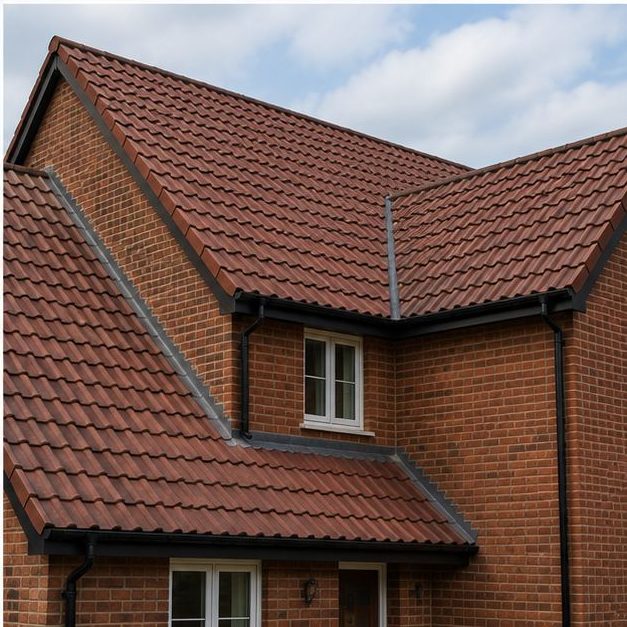
Valleys are one of the most common of these intersections, but they are rarely the only one on a complex Hotwells roofline. Abutments where a roof meets a wall, junctions around dormer cheeks, and the points where an extension roof joins the original structure all present similar challenges: two different surfaces coming together at an angle, each potentially moving slightly differently over time, with water needing to be directed safely away from the joint rather than into it. The materials and techniques used at these intersections need to suit the specific geometry involved. A tight, awkward valley on a small rear extension might call for a different lead code or a different lining approach than a long, open valley running down a main roof slope. Flexibility and attention to detail matter more on a complex roof than on a simple one, because there are more places for a shortcut or a poorly fitted detail to cause problems later. Restricted access on many Hotwells plots adds a further practical challenge. Narrow lots, steep steps, and limited space for scaffolding or material storage can make it harder to work carefully around every intersection on a complex roof, which makes good planning before work begins even more important. Knowing in advance how many junctions a roof has, and what each one will require, allows the job to be sequenced sensibly rather than treated as a single uniform task once the scaffolding is up.
A thorough survey before any work starts is particularly valuable on a roof like this. Identifying every valley, hip and abutment in advance, and understanding how they were originally built, means fewer surprises once the old covering is stripped away, and gives a much more accurate basis for pricing and planning the job properly from the outset.
This complexity is exactly why some re-roofing jobs in Hotwells take longer to plan and price accurately than a straightforward roof elsewhere might. Getting an accurate picture of every junction on the roof before work begins helps avoid surprises once the old covering has been stripped back and the true condition of the structure is revealed.
If your roof has multiple valleys, dormers or unusual angles, Brunel Roofing Bristol has the experience to weatherproof each junction properly rather than treating a complex roof as though it were a standard one, giving you confidence the finished job will perform as it should.
Get a Free Quote for New Roof Installations in Hotwells
Every roof is different — the fastest way to get an accurate answer is a quick chat with our team.