
An established roof, meaning one that has been in place for many years and has had time to accumulate a proper build-up of moss and algae, needs a different approach compared with a newer roof with only light surface growth. Across Horfield, where a good number of properties fall into this older, more weathered category, getting this approach right makes a real difference to the outcome and to how long that outcome actually lasts.
The starting point should always be an assessment rather than jumping straight into cleaning. Established roofs have had years to develop their own quirks, whether that is a section of worn mortar, a tile that has slipped slightly out of alignment, or flashing around a chimney that has degraded over time. Knowing what is actually there before any cleaning method is chosen avoids causing damage to a roof that may be more fragile than it looks from the ground, even if it seems perfectly sound at a glance.
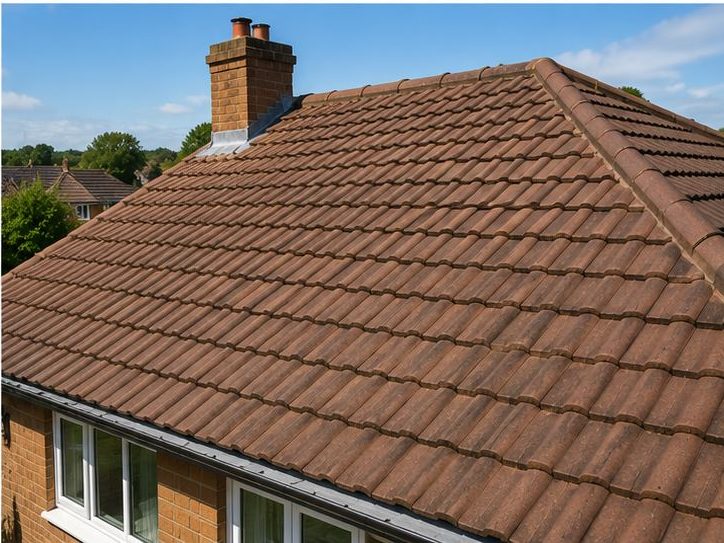
Once the roof has been assessed, a soft-wash approach is generally the better option for this kind of established growth, rather than high pressure jet washing. Soft washing uses lower pressure combined with a biocide treatment to break down moss, algae and lichen at the surface, which is then gently removed. This treats the growth effectively without the risk of stripping away the surface of older tiles or dislodging them, which can happen with more aggressive high pressure methods applied without proper care.
This matters particularly on Horfield's older housing stock, where tiles and slates have often weathered for decades and can be more brittle or looser fitting than they were when first laid. Blasting an established roof with high pressure water can force moisture underneath tiles or into gaps in the mortar, potentially causing problems that were not there before the cleaning started and that only show up weeks or months later.
The biocide element of a soft-wash treatment also has a longer term benefit beyond just clearing what is currently on the roof. It helps slow the return of moss and algae afterwards, which is particularly useful on an established roof that has clearly proven itself to be a favourable environment for growth, whether due to shading, tree cover, or the tile material itself.
Timing and thoroughness matter too. An established roof with years of build-up often needs a more careful, methodical clean than a lightly affected one, working section by section rather than rushing across the whole surface, particularly around detailing like valleys, ridges and chimney junctions where moss tends to accumulate most heavily and is hardest to fully clear.
Gutters should be included as part of the same visit wherever possible, since an established roof has usually been shedding moss debris into them for some time, and clearing this out prevents the blockages and overflow issues that loose moss commonly causes once the main cleaning work is finished.
Weather conditions on the day also play a part in getting the best result. Cleaning during a reasonably dry, mild spell allows biocide treatments to work properly rather than being washed away too quickly, and gives the roof surface time to dry out fully afterwards, which is generally preferable to rushing a job in poor conditions.
If you have an older, established roof in Horfield that needs a proper clean, Brunel Roofing Bristol can assess it first and recommend the right soft-wash approach for your specific property rather than a one-size-fits-all treatment.
Get a Free Quote for Roof Cleaning in Horfield
Every roof is different — the fastest way to get an accurate answer is a quick chat with our team.