
Once a new roof covering has gone on, it is tempting to think the job is finished, but the ventilation behind that covering plays just as important a role in how well the roof performs over the years ahead. Airflow through the loft space helps carry away moisture that naturally rises from bathrooms, kitchens and general daily living, stopping it from settling on cold surfaces inside the roof structure where it can do slow, cumulative damage that is easy to miss until it becomes serious.
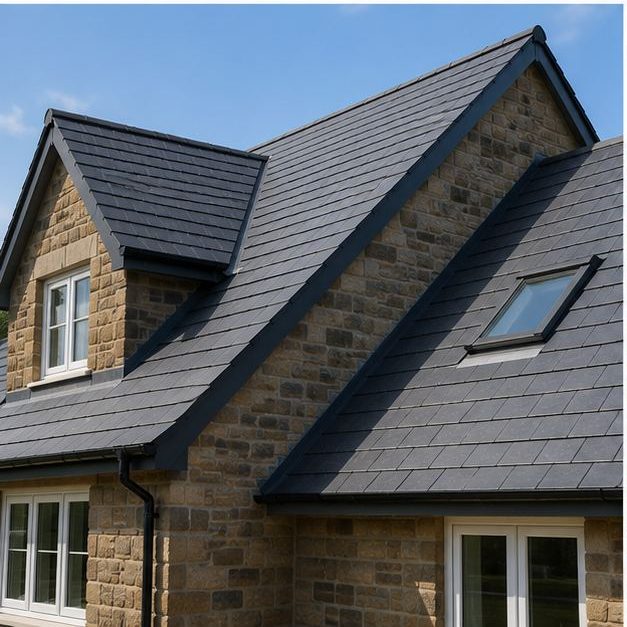
In Frenchay, where many roofs sit above lofts used for storage rather than living space, this ventilation typically relies on a combination of eaves vents, ridge vents, or tile and slate vents positioned to let air move steadily from the lowest point of the roof to the highest. A new roof gives the chance to check this airflow path is complete and unobstructed, something that older Frenchay properties in particular may not have had when they were last re-covered decades ago, back when ventilation standards were considerably less well understood than they are today. Where a previous roof relied largely on gaps and imperfections for its airflow rather than deliberate vents, a new, tighter roof needs those vents fitted properly to compensate.
Without adequate ventilation, moisture can condense on the underside of the roof covering or on structural timbers, leading over time to mould growth, timber decay, or a musty smell in the loft. This is a slower, less obvious problem than a leak, but it can affect the roof structure just as seriously, weakening rafters and battens over years of exposure, which is why it deserves attention at the point of installation rather than being left to surface later as a symptom that only becomes visible once damage has already been done. By the time staining or sagging is visible from below, the underlying timber may already have been affected for some time.
Newer housing in and around Frenchay is generally built with ventilation designed in from the start, but even these roofs can have vents accidentally blocked during later work, such as loft boarding or insulation top-ups pushed too far towards the eaves, or storage boxes stacked against soffit vents without much thought for what they are restricting. Confirming ventilation is working as intended is a sensible check whenever a new roof is fitted, regardless of the age of the property underneath it. It only takes one or two blocked vents to noticeably reduce the airflow across an entire roof void, so a full check rather than a spot check is worthwhile.
For homeowners who have recently had a new roof fitted and are now wondering whether the ventilation was addressed properly, a straightforward inspection of the loft space can usually put minds at rest. Brunel Roofing Bristol builds appropriate ventilation into every new roof it installs in Frenchay, matching the approach to the property and how the loft is used. If you have concerns about airflow in an existing loft space, we are happy to take a look and advise as part of a wider quote.
Get a Free Quote for New Roof Installations in Frenchay
Every roof is different — the fastest way to get an accurate answer is a quick chat with our team.