
Repointing work on chimneys in Portishead tends to come up somewhat more often than the standard advice given for less exposed towns would suggest, simply because mortar joints here face a harder job than most. Wind off the estuary drives rain into joints at angles that a sheltered inland chimney rarely experiences, and the combination of stronger wind and more frequent wetting accelerates the natural process of mortar wearing away over time. It is a gradual effect rather than a dramatic one, which is exactly why it tends to catch homeowners by surprise when the joints finally reach the point of visible failure.
The warning signs are the same as anywhere, but worth checking for a little more regularly on an exposed stack: mortar that has visibly receded between bricks, a crumbly or powdery texture where the pointing should feel firm, or small pieces of debris collecting in gutters and on roof slopes after a windy spell. Because the deterioration can progress faster here than inland, a joint that looks only mildly worn one year can be genuinely open and letting water in within a surprisingly short space of time. A brief visual check once or twice a year is a sensible habit for any homeowner in a setting this exposed to fall into.
Choosing the right mortar mix matters everywhere, but arguably more in a coastal-exposed setting. On older brick chimneys, a lime-based mortar allows moisture to evaporate back out gradually rather than becoming trapped, which is particularly important where the brick is regularly wetted by driving rain coming off open water. Modern brick chimneys are generally better suited to a standard cement-based mix, so getting this choice right for the specific property is part of doing the job properly rather than defaulting to whatever mortar happens to be on the van that day. A brief assessment of the existing brick and mortar is usually enough for an experienced roofer to make the right call.
The repointing process itself does not differ in method for an exposed property, involving raking out failed mortar to a proper depth, cleaning the joint, and packing in a correctly matched fresh mix, but the quality of preparation matters even more here, since poorly prepared repointing is likely to fail sooner under the additional wind and rain exposure than the same shortcut would on a more sheltered inland roof further from the water, which makes cutting corners a genuinely false economy in this particular setting.
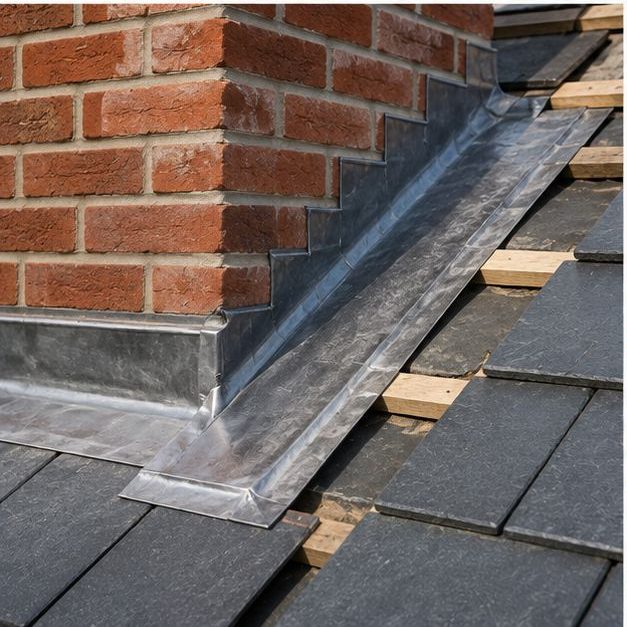
Because access usually means scaffolding on Portishead's taller properties, it makes sense to have flaunching, pots, and lead flashing checked in the same visit, since all of these components are subject to the same accelerated coastal wear and are considerably more cost-effective to address together in one visit.
If mortar on your Portishead chimney is showing signs of wear, it is worth having it checked sooner rather than later given the extra exposure the area brings. Brunel Roofing Bristol offers free inspections and quotes, with a 15-year guarantee on completed repointing work.
Get a Free Quote for Chimney Repairs in Portishead
Every chimney is different — the fastest way to get an accurate answer is a quick chat with our team.