
Chimney stacks are among the most exposed features on any roof, standing proud of the roofline and taking the full force of wind that a lower, more sheltered section of roof might never experience. On Montpelier's tall Georgian and Victorian terraces, chimneys are often original brick structures that have stood for well over a century, which means age-related wear can combine with storm force to cause real damage, sometimes in ways that only become apparent once someone actually gets up close to look.
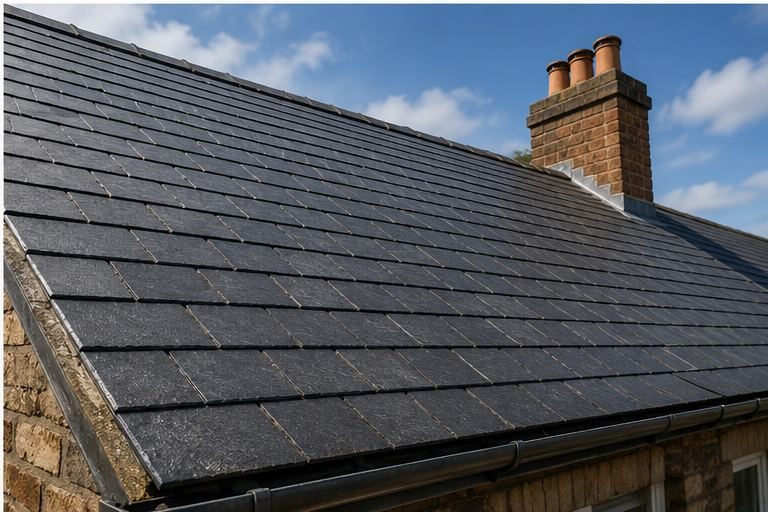
The most visible sign of wind damage is often a loose or displaced chimney pot, sometimes rocking slightly or even toppling in severe gusts, which is both a leak risk and a safety hazard for anyone below. Less obvious, but just as important, is movement or cracking in the mortar joints between bricks, known as pointing, which can loosen under repeated buffeting even if the stack itself remains structurally upright.
Where the chimney meets the roof, the flashing detail is particularly vulnerable during high winds, since this is the junction where two different materials and movements meet. A stack that has flexed slightly in strong wind, even by a small amount, can be enough to crack or lift flashing that was previously sound, opening a route for water to track down inside the chimney breast and into the roof space or a room below.
Many Montpelier properties have more than one flue served by the same stack, sometimes with pots for chimneys that are no longer in active use, and every pot and its surrounding capping adds another point that wind can work against. A stack that seems structurally fine as a whole can still have one individual pot or capping detail that has become loose, which is why we check each element on a stack rather than assessing it purely as a single unit. Loose pots left unaddressed can also work themselves progressively looser with each subsequent storm, so a problem noticed early and fixed promptly is generally far simpler to resolve than one left to worsen over several seasons of weather.
Because chimney stacks are difficult and potentially unsafe to inspect from ground level, especially on Montpelier's taller terraced properties, we recommend a proper look from close range after any significant storm, checking pots, pointing, capping, and flashing together rather than any single element in isolation. Our emergency call-out covers exactly this kind of assessment, with temporary measures put in place quickly if anything unsafe or actively leaking is found.
If you have noticed a chimney pot that looks out of position, cracked pointing, or a new leak near a chimney breast after recent windy weather, it is worth having it checked promptly. A free inspection will confirm what is actually happening at height, and any repair work is backed by our 15-year guarantee, so the fix can be relied upon long after the scaffolding has come down.
Need Emergency Roof Repairs in Montpelier?
Every case is different — the fastest way to get an accurate answer is a quick chat with our team.