
EPDM and GRP, or fibreglass, are the two most common modern alternatives to traditional felt for flat roofs, and homeowners in Henleaze planning a new or replacement roof often want to know which of the two is the better choice. Both are genuine improvements on old-fashioned felt, but they have some meaningful differences worth understanding. Getting independent, honest advice on this makes a real difference.
GRP roofing is applied as a liquid resin reinforced with fibreglass matting, which cures on site to form a rigid, hard-wearing surface, typically finished with trims around the edges. It creates a genuinely tough, walkable surface, which is part of why it's sometimes chosen for roofs that double as a terrace or where extra durability underfoot is wanted, such as above a garden room used for entertaining. A GRP roof also typically needs a fresh coat of protective top coat applied every so often to maintain its appearance and UV resistance.
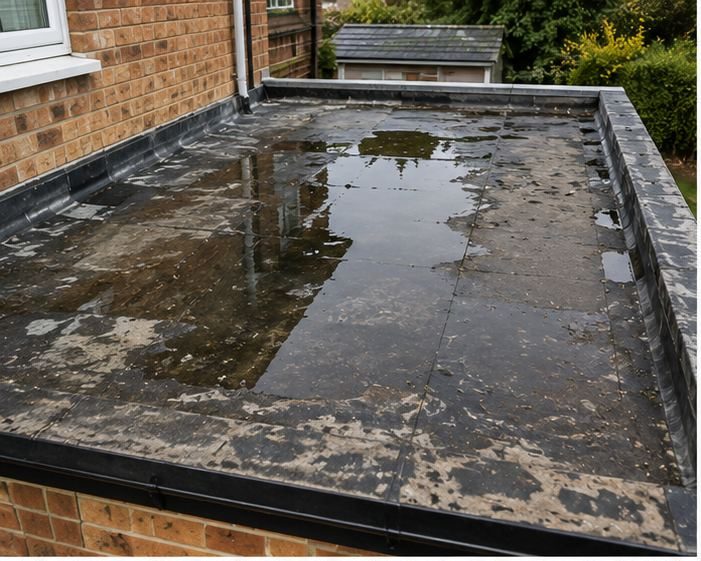
That rigidity, however, can also be a limitation. Because GRP cures into a hard, inflexible surface, it has less capacity to move with the building beneath it, and where there's any structural movement over time, a rigid GRP surface is more prone to cracking than a genuinely flexible material would be. GRP installation is also more weather-sensitive, since the resin needs the right conditions to cure properly, which can limit when work can be carried out during the year.
EPDM, being a flexible rubber membrane rather than a rigid cured surface, handles building movement and thermal expansion considerably more comfortably. It's typically installed as one large sheet or with minimal seams, which reduces the number of joints where problems can develop, and it isn't as sensitive to weather conditions during installation as a resin-based system.
Neither material is inherently better in every situation, though. GRP's rigid, durable surface can suit roofs that need to take regular foot traffic, such as a roof terrace or balcony, while EPDM's flexibility and simpler installation tends to make it the more practical, cost-effective choice for the majority of standard flat roofs on extensions, garages and dormers, which describes most of the flat roofing found across Henleaze. Cost can also differ between the two systems depending on roof shape and size, which is another reason to get a specific comparison for your own property.
Both materials, when installed to a good standard, offer a genuine improvement in durability and reliability over traditional felt, and the right choice really comes down to how a specific roof will be used, its shape and detailing, and the property it sits on, rather than one material being universally superior to the other.
Brunel Roofing Bristol assesses each Henleaze roof on its own merits before recommending EPDM or GRP, taking into account the roof's intended use, its shape, and any particular junctions or features that might favour one material over the other. That kind of tailored recommendation tends to produce a better long-term result than simply defaulting to whichever material was used on a previous project.
If you're deciding between EPDM and GRP for a flat roof in Henleaze, Brunel Roofing Bristol can talk through the practical differences for your specific property and provide a quotation for whichever solution best suits your needs. Either way, a proper site visit is the best starting point.
Get a Free Quote for EPDM Roofing in Henleaze
Every roof is different — the fastest way to get an accurate answer is a quick chat with our team.