For homeowners adding an extension in Henbury, the choice between felt and EPDM for the new flat roof usually comes down to one central question: which will actually last longer and cause fewer problems over time. It's a fair question, and there are some genuine, well-established differences between the two materials worth understanding before committing to either. Cost alone shouldn't be the only factor weighed up.
Traditional felt roofing is built up from multiple bonded layers with seams between each roll, and while it can perform well when properly installed, those seams are also its main long-term weakness. As felt ages, it gradually loses flexibility and becomes more prone to cracking, particularly at the joints and upstands, and prolonged UV exposure accelerates this process considerably over the years. Repeated cycles of heating and cooling gradually work these joints loose, even on a felt roof that was installed reasonably well in the first place.
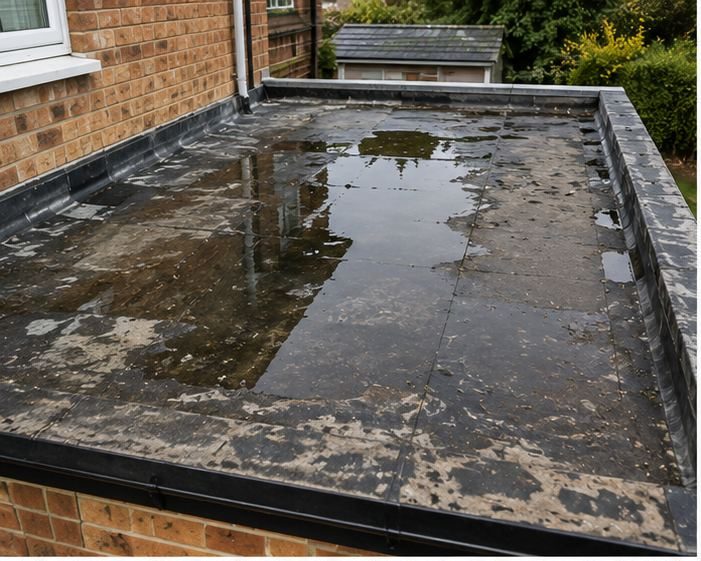
EPDM rubber roofing, being a single flexible sheet with far fewer joins, avoids much of this vulnerability. The material itself is specifically engineered to resist UV exposure, ozone and the kind of temperature swings a flat roof experiences across a typical British year, and it retains its flexibility for far longer than felt does as it ages, even after well over a decade in service.
As a general industry guide, felt roofing often needs replacing within around ten to fifteen years, while EPDM is commonly guaranteed for twenty years or more. These figures represent typical performance rather than a guarantee for any individual roof, but they do reflect a genuine and widely recognised difference in expected durability between the two materials that's worth factoring into any decision. It's a difference that becomes more apparent the longer a roof has been in service, rather than something that's obvious in the first few years.
This durability gap matters particularly for extension roofs, which are often out of sight and easy to forget about compared with a main roof that gets noticed from the street. A more durable covering that needs less frequent attention is a real practical advantage on a roof that isn't going to be checked as often as it probably should be.
It's worth saying that installation quality has a significant bearing on how either material performs, regardless of which one is chosen. A poorly installed EPDM roof can still fail prematurely, just as a well-installed felt roof can outlast expectations, so the choice of material and the standard of the installation both genuinely matter to the finished result. This is why choosing a reputable, experienced installer matters just as much as choosing the right material in the first place.
For most Henbury extensions, though, EPDM's combination of fewer seams, greater flexibility and stronger resistance to weathering makes it the more durable long-term choice between the two, which is part of why it's increasingly the default recommendation for new and replacement flat roofs on extensions across the local area. Homeowners who have previously dealt with a failing felt roof are often the quickest to appreciate the practical benefits that a more durable membrane can offer over time.
If you're planning an extension in Henbury and weighing up felt against EPDM, Brunel Roofing Bristol can talk you through both options honestly and provide a quotation based on your specific roof.
Get a Free Quote for EPDM Roofing in Henbury
Every roof is different — the fastest way to get an accurate answer is a quick chat with our team.