
Lead has been used on roofs in Clifton for generations, particularly around chimneys, valleys and abutments where a flexible, durable material is needed to keep water out of otherwise vulnerable junctions. On many of the area's older properties, this leadwork is now decades old, and while lead itself can last a very long time when properly maintained, the joints, dressings and fixings around it are often the first parts of a roof to fail and let moisture through.
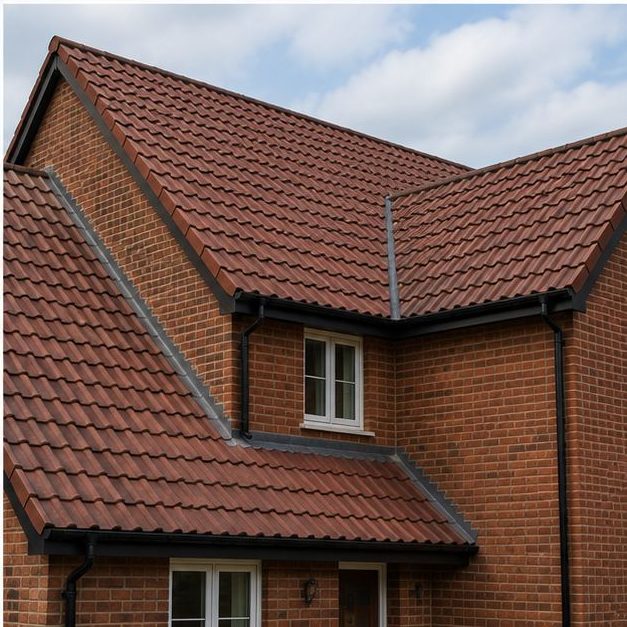
Defective flashing is one of the more common issues found on ageing roofs across Clifton, and it's rarely obvious from ground level even to an attentive homeowner. Cracked or lifted lead around a chimney stack, or a valley that's begun to split at a joint after years of thermal movement, can let water into the roof structure gradually, often causing damp patches inside the property long before the leadwork itself looks visibly damaged from the pavement outside.
When leadwork does need replacing, matching the original detailing is important on a period property rather than opting for whatever is quickest to install. This means using the correct code or thickness of lead for the application in question, whether that's a stepped flashing against a chimney, a soaker system running along a slope, or a formed valley between two roof planes, and dressing it in a way that's consistent with how the rest of the roof was originally finished decades ago.
This kind of work relies heavily on skill and experience, since lead has to be cut, bossed and dressed by hand to fit properly around the irregular shapes and angles found on many older Clifton roofs. Rushed or poorly formed leadwork tends to fail again within just a few years, which is why it's worth choosing a contractor who's genuinely confident working with traditional materials rather than defaulting to a quicker synthetic alternative that may not suit the property or satisfy conservation requirements.
It's also worth having leadwork checked periodically even when there are no obvious signs of a problem, since small issues such as a lifted clip or a hairline split are far cheaper and less disruptive to address early than waiting until water has already found its way into the roof timbers or the ceilings below. A brief inspection every few years can catch these issues while they're still minor.
Some homeowners also ask about lead theft, since older properties with generous areas of exposed lead can occasionally be targeted. Where this is a genuine concern, security marking the lead or discussing alternative, less conspicuous fixing methods with your roofer can offer some reassurance, without needing to abandon lead altogether on a property where it's the correct material for the job.
If you've noticed staining, damp or visible deterioration around a chimney or valley on your Clifton property, it's worth getting it looked at before the underlying timbers are affected. Brunel Roofing Bristol can inspect existing leadwork and carry out replacements that match the standard expected on a well-cared-for period home.
Get a Free Quote for New Roof Installations in Clifton
Every roof is different — the fastest way to get an accurate answer is a quick chat with our team.