
Walk along many of the residential streets in Ridgeway and you will notice a pattern: roofs on the shadier side of the road, or those overhung by mature trees, tend to carry far more moss and algae than roofs that sit in open sunlight most of the day. This is not a coincidence, and it comes down to some fairly simple building physics.
Moss, algae, and lichen all need moisture to establish and spread, and shade is the single biggest factor in how long a roof stays damp after rain. A north-facing slope, or a roof shielded by tall trees or neighbouring buildings, can stay wet for hours or even days longer than a roof that gets direct sun for most of the day. That extended dampness is exactly the environment organic growth needs to take hold.
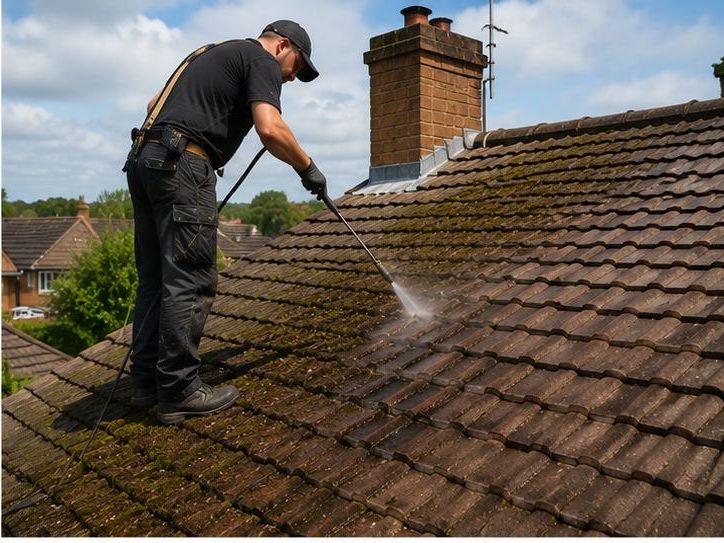
Ridgeway's tree-lined streets and varied housing, with plenty of gardens backing onto green space, mean that many roofs here sit in at least partial shade for a good part of the day. Overhanging branches add a second problem on top of shade: falling leaves and debris collect in valleys and against chimneys, trapping moisture against the tiles and giving moss spores an easy foothold.
Roof pitch interacts with shade in ways that are easy to overlook. A steeply pitched roof tends to shed water faster than a shallow one, which can partly offset the effect of shade, while a shallower pitch under trees combines two factors that both favour moss, slow drainage and reduced sunlight. When we assess a shaded Ridgeway roof, pitch is one of the details we take into account alongside aspect and tree cover, since it affects how quickly the surface actually dries out between rainfall.
North-facing roof slopes are particularly prone to this in Ridgeway, simply because they receive the least direct sunlight through the year. Even where the rest of the roof stays relatively clear, it is common to see a noticeably heavier band of green or black growth concentrated on that one aspect, following the shade line almost exactly.
Once moss establishes, it tends to accelerate its own spread. A patch of moss holds moisture against the tile surface long after the surrounding roof has dried out, which encourages further growth nearby and can gradually soften mortar joints and bedding beneath ridge tiles. What starts as a cosmetic issue on a shaded slope can, over time, become a maintenance concern if left unaddressed.
The good news is that shaded roofs are not a lost cause, they simply need more regular attention than a roof in full sun. A gentle soft-wash clean, using biocide treatments rather than aggressive pressure washing, removes existing growth without damaging the tiles, and keeping nearby branches trimmed back where possible helps slow how quickly it returns.
It is also worth noting that shaded roofs do not develop moss at a steady, predictable rate, growth can accelerate noticeably once a patch becomes established, since the moss itself then helps retain moisture on the surrounding tiles. This is one reason a shaded Ridgeway roof that looked only lightly affected a year or two ago can sometimes appear considerably more overgrown at the next inspection, and why earlier attention tends to keep the job smaller and simpler.
If your Ridgeway property sits under trees or on a shaded plot and you have noticed moss creeping across the roof, it is worth having it looked at before the growth gets any more established. Contact Brunel Roofing Bristol for an assessment and honest advice on the best way to treat it.
Get a Free Quote for Roof Cleaning in Ridgeway
Every roof is different — the fastest way to get an accurate answer is a quick chat with our team.