
When it comes to flat roofing on older buildings, the finished membrane tends to get all the attention, but the preparation work that happens before a single sheet of EPDM is rolled out is arguably just as important, and this is especially true across Hotwells, where the housing stock is predominantly older, characterful, and often more structurally varied than modern new-build properties.
Older buildings in Hotwells have typically been altered, extended and repaired multiple times over their lifespan, sometimes by different owners with different standards of workmanship. This history means a roof deck that looks reasonable from the surface can be concealing inconsistent timber sizes, old and new sections joined together, or previous repairs that were never done to a proper standard, none of which becomes apparent until the existing covering is stripped back for proper inspection.
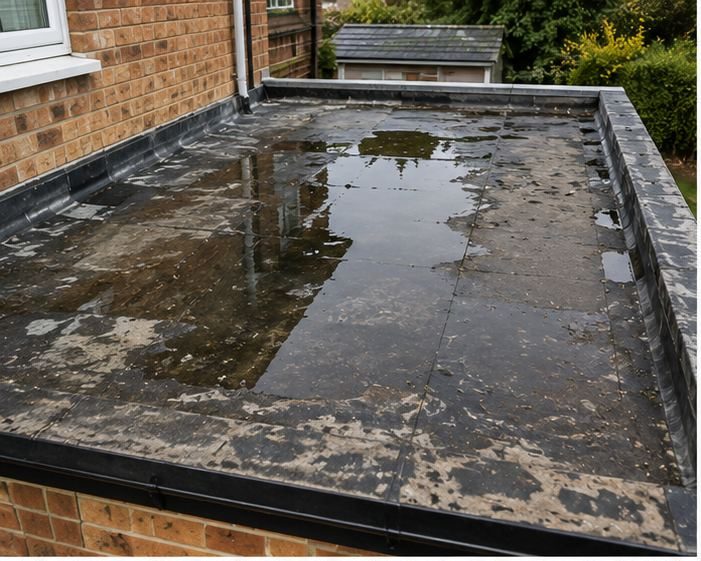
Moisture-related deterioration is a particular concern on older properties, since many have been through decades of minor leaks, condensation issues or general weathering that a newer building simply has not had time to accumulate. Proper preparation means taking the time to identify any softened or weakened decking and dealing with it before the new membrane is installed, rather than covering over a problem that will only resurface later.
The structural quirks of older Hotwells buildings also matter when it comes to falls and drainage. Many older flat roofs were not built with the same attention to correct water falls that modern building standards require, and some have settled unevenly over the decades since construction. Proper preparation involves assessing whether the existing falls are adequate or whether some correction is needed to ensure water actually drains away rather than pooling on the new roof.
Junction details around chimneys, parapets and party walls, all common on Hotwells terraces, also require careful preparation, since these areas often need remedial brickwork, repointing, or the removal of old, degraded flashing before a new membrane can be properly dressed and sealed against them. Skipping this preparation and simply working around existing defects tends to build future leaks into an otherwise new roof.
There is also a simple practical reason preparation matters so much on older buildings: mistakes made at this stage are far more costly to fix later. Once EPDM is bonded down and the roof appears finished, going back to correct an underlying deck or structural issue means undoing work that has already been paid for, which is far less efficient than addressing it properly the first time round.
Professional preparation is ultimately what separates a roof that performs reliably for decades from one that develops problems within a few years, and this gap matters more on older buildings precisely because there is more history, and more potential for hidden issues, to uncover and address properly.
If you own an older property in Hotwells and are considering a flat roof replacement, Brunel Roofing Bristol places proper preparation and inspection at the centre of every job, ensuring that whatever is underneath your existing roof gets addressed before the new EPDM membrane goes on.
Get a Free Quote for EPDM Roofing in Hotwells
Every roof is different — the fastest way to get an accurate answer is a quick chat with our team.