
Repointing is the most common chimney repair carried out on homes in Lawrence Weston, and for good reason — mortar is the sacrificial part of any brick chimney, designed to wear before the bricks themselves, and every stack will need it renewed at some point. The trouble is that repointing done badly, with the wrong mix or poor technique, can cause more harm than the weathering it was meant to fix, so it pays to understand what a proper job actually involves.
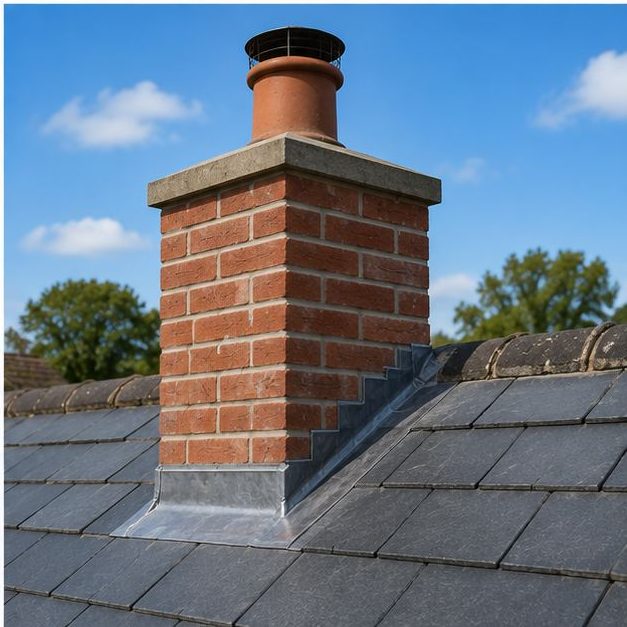
The core task is straightforward: raking out the old, failed mortar to a consistent depth, cleaning the joint, and packing in fresh mortar that is compacted properly rather than simply smeared across the surface. What trips up a lot of DIY attempts, and some rushed trade jobs, is matching the mortar mix to the age and type of brick. Modern brickwork, common in much of Lawrence Weston's post-war housing, generally suits a cement-based mortar, whereas anything older with softer, more porous bricks needs a lime mortar that can flex slightly and let moisture pass through rather than trapping it behind a hard, impermeable joint.
Getting that mix wrong is one of the more common causes of repeat problems. A hard cement mortar applied to soft old brickwork forces moisture to escape through the brick face instead of the joint, which is a major contributor to the spalling and flaking seen on older chimneys. Colour and profile matter too, not just for appearance but because a poorly finished joint that does not shed water properly will fail again within a few years, undoing the point of the repair. The joint profile — whether it is finished flush, slightly recessed or bucket-handled — genuinely affects how well rainwater runs off rather than sitting in the joint, so it is not purely a cosmetic choice.
Repointing needs access to the full stack, which usually means scaffolding or a suitable tower depending on roof pitch and the height of the property. This is also a sensible moment to check the flaunching at the base of the pots and the surrounding lead flashing while access is already in place, since both are common sources of leaks that get missed if only the brickwork is addressed.
Done properly, repointing should last a couple of decades or more before it needs attention again, and it is considerably cheaper than letting the problem run on until sections of brickwork need replacing or the stack needs partial rebuilding. Costs vary a fair amount depending on the height of the chimney, how much of it needs doing, and the access required, so it is genuinely hard to give a meaningful figure without seeing the property. As a rule of thumb, the earlier a stack is repointed after joints start failing, the smaller and less expensive the job tends to be, simply because there is less brickwork to make good alongside the mortar itself.
If mortar on a chimney in Lawrence Weston is starting to look patchy, crumbly or is simply overdue after years of weather, Brunel Roofing Bristol can assess it and quote for the work at no obligation, with all repointing carried out under our standard 15-year guarantee.
Get a Free Quote for Chimney Repairs in Lawrence Weston
Every chimney is different — the fastest way to get an accurate answer is a quick chat with our team.