
A dry verge is not only for new roofs. Here is when one can be fitted to an existing Brislington roof, what we check first and where the limits are.
Many people assume a dry verge only goes on with a new roof. In fact it is often fitted to an existing one, particularly where the old mortar along a gable has cracked and fallen. Brislington has plenty of gable ends on garages, extensions and the odd end-of-terrace, so the question comes up regularly.
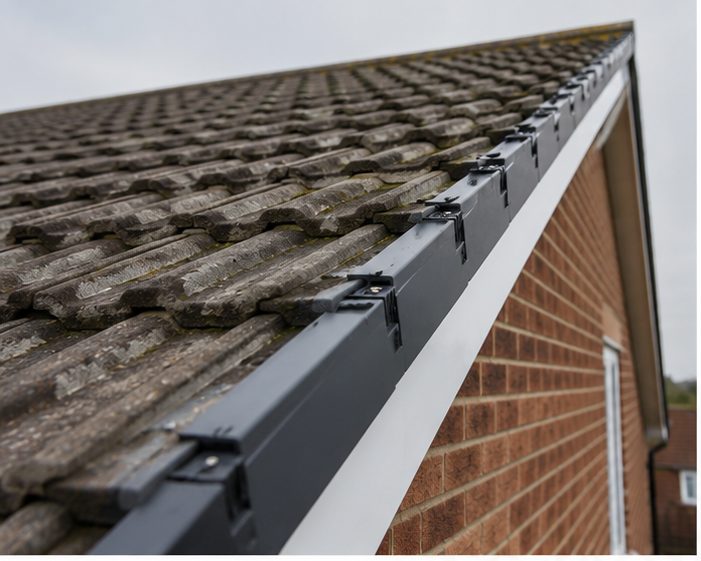
Yes, in the right circumstances
A dry verge can be fitted to an existing roof when the tiles and the roof edge are in a state to take it. The old mortar and any loose end tiles come off, and mechanically fixed verge units go on in their place. It is a repair that also gives the edge a more modern, tidy finish. On a hipped roof there is less verge to deal with, but gable-ended extensions and garages carry exactly this edge.
What decides whether it will fit
The main factor is the tile profile. Verge units are made to suit particular tile types, and the system must be compatible with the tiles on the roof. We check this on site, because a poor match is the commonest reason a dry verge cannot go on. The condition of the end tiles and the supporting timbers matters as well.
- Tile profile and whether a matching system exists
- Condition of the tiles at the roof edge
- State of the timber under the verge
- Whether the gable wall is straight and sound
What we check before starting
We look at the verge from the ground and at the loft side if we can. Signs such as mortar on the path, tiles tilted outwards or damp stains near the gable wall tell us how bad the edge is. If the roof is failing elsewhere, we say so, because a dry verge will not cure that. A quick look from the pavement often tells us more than people expect.
How the fitting is done
The failed mortar is removed, loose tiles are taken off and the edge is made good. Verge units and tile-end or cap pieces are fixed to the manufacturer's guidance so they resist wind lift at the roof edge. Nothing relies on wet mortar, so there is nothing to crack and fall out later. The finish is tidy and the edge is secure as soon as the units are fixed.
When it is the wrong answer
If the roof as a whole is worn out, a dry verge is a poor use of money; a re-roof is the better plan, and a dry verge can then be part of it. Some very old or unusual tiles have no suitable system. In those cases we repair the mortar edge or offer another sensible option. Being honest about this saves you spending on the wrong thing.
Frequently Asked Questions
Do I need a whole new roof to have a dry verge?
No. If the existing tiles are sound and a matching system exists, a dry verge can be fitted to the edge alone. We check the roof first and tell you honestly if the covering is nearing the point where a re-roof is wiser. Nothing is fitted until you understand why.
Will a dry verge stop birds and insects getting in?
Yes, that is one of its purposes. The units close the gap at the roof edge, where birds and insects often enter once mortar breaks up. It also keeps weather out of the roof space along that line.
Can any roofer fit one to my tiles?
Fitting should follow the tile maker's guidance, which is why compatibility matters. Ask what system is proposed, how it fixes to your tile type and what will be done with the old mortar. A clear answer is what you should expect. Do not accept a vague answer about fixings.
Talk to our team about dry verge systems in Brislington
Every roof is different — the fastest way to get an accurate answer is a quick chat with our team.