
Chimneys and the flashing around them tend to fail together, or at least in quick succession, because the flashing exists specifically to seal the junction between the chimney stack and the surrounding roof covering, a point that's inherently more vulnerable than an unbroken run of tiles. When a storm damages one, it's often not long before problems show up in the other, which is why the two are usually assessed and repaired as a pair on Shirehampton properties rather than treated as separate jobs. Treating them together also avoids the situation where a newly repaired flashing is later undermined by a chimney problem that wasn't spotted at the same time.
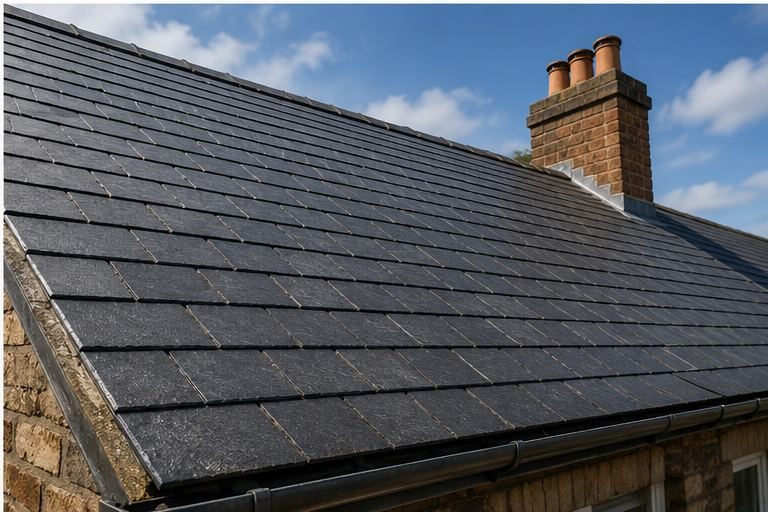
Wind can lift flashing that's begun to work loose from ageing pointing or sealant, while debris and branches carried by the storm can dent or displace it more directly, particularly around the base of the stack where it sits most exposed. Once flashing has failed, water typically tracks down inside the chimney breast rather than announcing itself straight away, meaning a leak can take a while to show up indoors after the actual damage occurred, sometimes weeks later once the damp has spread far enough. In some cases, the first sign a homeowner notices is a musty smell in a loft space rather than a visible stain, since damp timber can develop that odour well before staining becomes obvious.
The chimney stack itself can also take damage during severe weather, with pointing between bricks cracking under pressure and repeated wetting, and pots or capping shifting or cracking outright under the strain. None of this is always visible from ground level, which is part of why chimneys are worth checking specifically after any significant storm rather than assuming a roof is fine simply because no tiles are visibly missing from below when looking up. A chimney that's lost even a small amount of pointing is more vulnerable the next time a storm arrives, since water that gets into a crack can freeze and expand during colder weather, widening the damage further.
An emergency repair typically starts with stopping any active leak, sometimes with temporary weatherproofing while access and materials are arranged, before moving on to the permanent fix. That usually means re-dressing or replacing damaged lead flashing and repairing or re-pointing any affected brickwork on the stack itself, so the whole junction is watertight again rather than just the most obvious part of it that was checked first. Where a chimney serves an active fireplace or boiler flue, it's also worth confirming that any repair hasn't affected ventilation, since ventilation and weatherproofing both matter for a chimney to function safely.
Because chimneys sit at height and require safe access to work on properly, this isn't a repair worth attempting without the right equipment, and a professional assessment tends to catch related issues, a cracked pot here, a loose piece of pointing there, that wouldn't be obvious from a quick look from the garden or the street below. This kind of thorough check often catches problems while they're still inexpensive to put right, well before they develop into anything more serious.
If storm damage has affected a chimney or its flashing on a Shirehampton property, Brunel Roofing Bristol offers a 24-hour emergency call-out along with a free quote for the full repair, and a 15-year guarantee once the work is complete and signed off.
Need Emergency Roof Repairs in Shirehampton?
Every case is different — the fastest way to get an accurate answer is a quick chat with our team.