
A roof window can transform a dark loft, but the effect depends on size, position and which way it faces. This guide explains what drives the daylight in a Pucklechurch room.
Light is the main reason people add a roof window. Compared with a wall window, one in the roof sees more sky, so daylight reaches deeper into the room. How much of a difference it makes depends on a handful of practical choices rather than on any single figure.
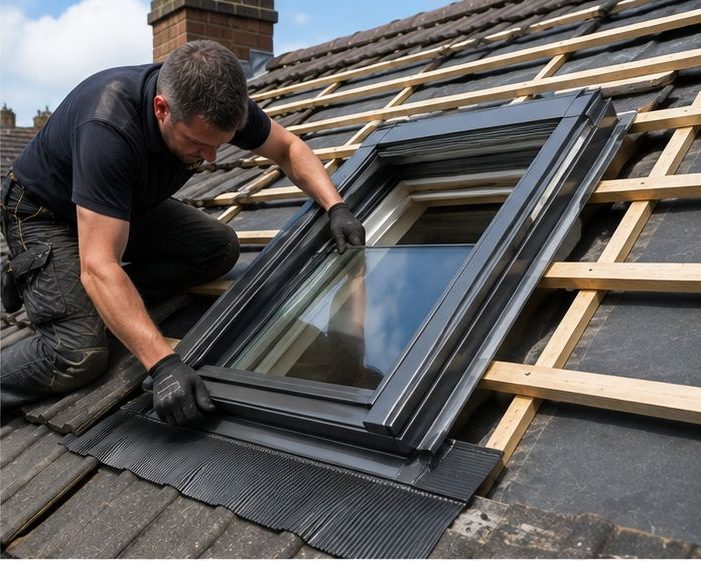
Why roof windows are bright
A roof window is angled to look at the sky, not the wall across the road. That means more direct daylight and a more even spread across the room. In a loft with small gable windows or none at all, the difference on a cloudy day is easy to see.
A dark loft that felt like storage can feel like a proper room with the right window. The difference is most obvious on dull days, when a wall window struggles but a roof window still sees a wide patch of sky. Bedrooms, offices and landings all benefit in different ways.
Size and number
A larger window lets in more light, but a wider spread of two smaller ones can light a room more evenly than one big one. The size is limited by the rafters, since they may need trimming and doubling up. We measure and explain the options on site before suggesting a size.
- Bigger windows give more daylight but need more structure
- Two windows can light a long room more evenly
- Rafter spacing decides which sizes fit easily
- Headroom and floor use influence where they should go
Which way it faces
A window facing south or west brings the strongest light and warmth through the day, while north-facing gives softer, steadier light. Open country at the village edge can mean a wide view of sky, so little blocks the light. Position the window with the room use in mind.
At the open edges of the village, with fewer buildings close by, a roof window can see a lot of sky. On a plot hemmed in by trees or neighbouring buildings, the effect is gentler, which we take into account. Surroundings change the light as much as the window does.
Position in the room
Higher on the slope gives more sky and light deeper in the room. Lower gives an outlook when sitting or standing. In a bedroom you may want a view from the bed. In a study or landing you may want light first. Bungalow and dormer lofts often benefit from two positions.
Beyond the glass
Light is not the whole picture. Lining the opening in a pale finish helps bounce light into the room, and insulation and vapour control around the frame keep it comfortable. Blinds can control glare and heat. Ask for the work to be described in writing, including the lining and finish.
Decide how you will use the room first, then place the window. A well-sited window used for reading or working feels different from one placed only for looks, and changing the position later means more work. Planning that first saves moving things later.
Frequently Asked Questions
Is a roof window brighter than a wall window?
Often, yes. It looks straight up at the sky, so it gets more daylight than a vertical window of the same size. How much brighter depends on orientation, surrounding trees and buildings, and the room itself.
Will a roof window make the room too hot?
Windows facing the sun can add warmth in summer. Blinds, shading and good ventilation help control it, and an opening window lets heat escape. We discuss these choices when choosing the position. We look at your plans first.
Can I add a roof window to a dark landing?
Often you can, if there is a roof space above. The rafters and insulation need to be dealt with properly. We look at the layout and tell you what is involved before any decision. The structure needs looking at on site.
Talk to our team about VELUX and roof window installation in Pucklechurch
Every roof is different — the fastest way to get an accurate answer is a quick chat with our team.