Gable Ends and Verges in Fishponds
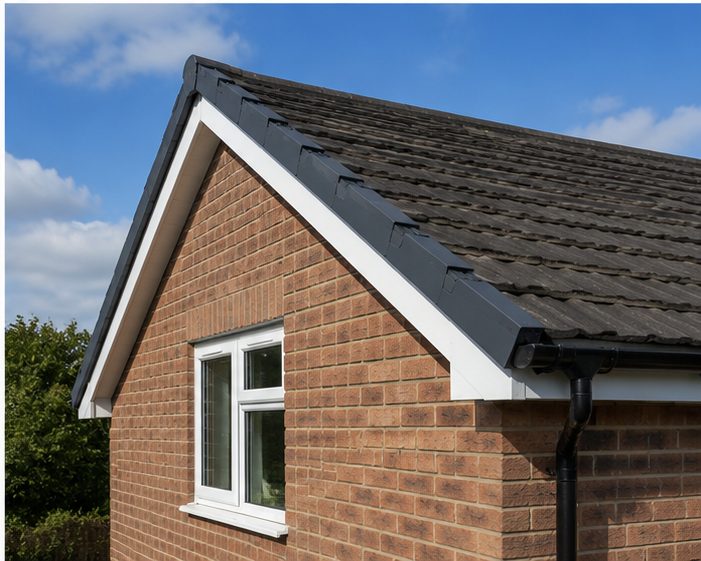
Fishponds has plenty of gables to look at. The inter-war semis often have a gable on the outer side of the pair, and extended houses have newer side roofs that end in a verge too. Mortar on these edges takes the wind from every direction and is usually the first thing to give.
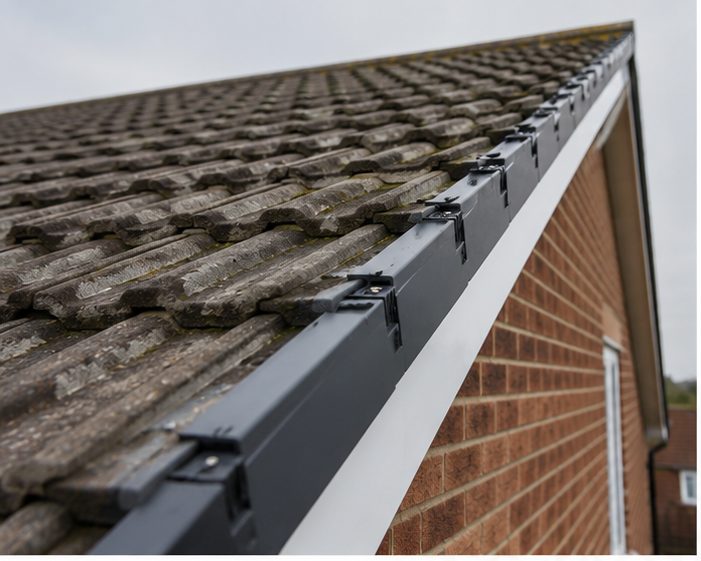
The Victorian and Edwardian terraces have fewer open verges, but the end-of-terrace houses do, and so do rear additions with their own small pitched roofs. Each one has a roof edge where cracked mortar lets water into the tile ends and the timber behind them. Replacing the mortar with a dry system takes away the part that always fails first.
A dry verge works best where the tiles are in reasonable condition and the profile is compatible, which we check on site. It does not cure a roof that is failing elsewhere. If the main covering is worn, we say so rather than dressing up the edge. Honest advice on the wider roof matters more than a quick sale.
Dry Verge Work in Fishponds
- Replacing failed mortar verges. Removing cracked and crumbling wet mortar from gable edges and fixing dry verge units that hold the tile ends securely.
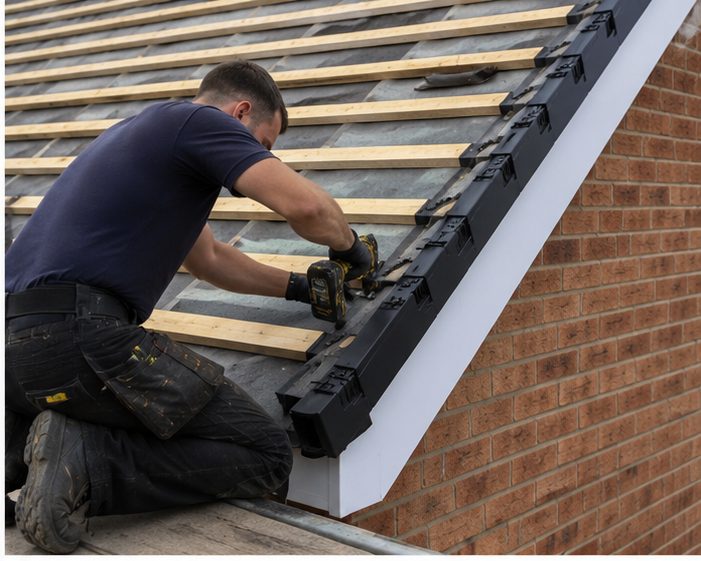
- Dry verge on a re-roof. Building the dry system in as part of a new roof covering, so the edge is finished correctly from the start.
- Verge repairs after storms. Putting right loose or displaced verge sections after strong wind has lifted the tiles or shaken the mortar free.
- Extension and side roofs. Fitting dry verge units on gable-ended extensions and side additions that stand more exposed than the main house.
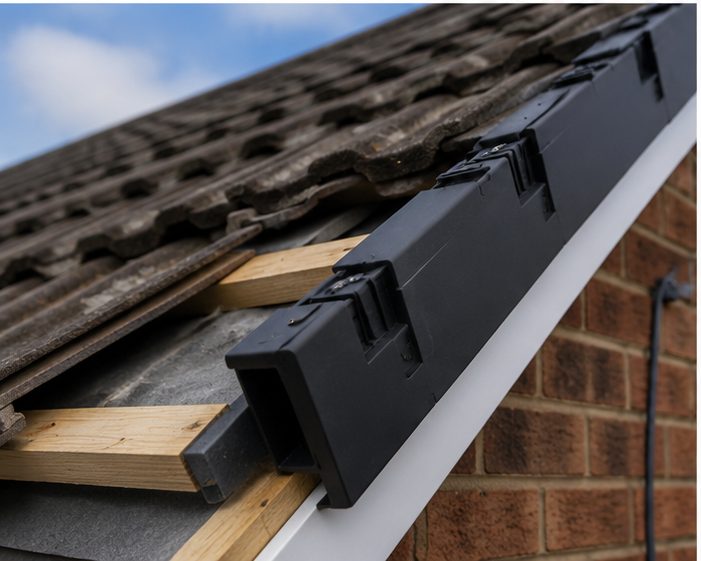
- Tile-end and cap pieces. Supplying and fixing the matching end and cap pieces so the verge looks tidy and sits correctly with the tile profile.
- Checking tile compatibility. Looking at your tile profile on site to confirm a dry system will suit it before we commit to the job.
Fitting a Dry Verge on Fishponds Roofs
We look at the verge from the ground and from safe access, noting where mortar has failed, how loose the tile ends are and whether the roof behind is sound. We tell you what a dry verge will and will not solve before you decide. You then know where you stand.
The old mortar comes off, the edge is cleaned back and the dry units are fixed to the tile maker's guidance, with no wet bedding involved. Debris is cleared from paths and drives afterwards, and we leave the gable edge neat and firmly held. Any loose tile ends get refixed as part of the edge work.