
Crumbs of mortar on the path are the usual first sign that a verge is wearing out. The reasons are mundane, and so is the fix once the pattern is clear.
If you keep sweeping grey fragments off a drive or side path, the gable edge above is probably shedding mortar. Fishponds has many gable-ended terraces and semis, and the verge on each is exposed to rain and wind from one side. Re-pointing sorts it for a while, but not forever.
What the mortar is doing up there
The verge is where the roof meets the edge of the gable wall, and the tiles are bedded there in mortar. Mortar is rigid, but a roof is not; it moves slightly with weather and temperature. Over time fine cracks open, water gets in, freezes and widens them, and pieces drop out.
Terraces and semis here often have gables that face open side passages or gardens, so the exposed edge takes the weather without shelter. A verge that has done its job for a long time simply reaches the end of what mortar can do.
Why repairs do not always last
A re-bed on a tired verge puts new mortar against old, damp material, so it can crack at the join. If the tiles beneath have slipped, or the timber below has moved, the new mortar is under the same strain as before. That is why the same stretch of verge often needs attention again and again. We look at the tiles and timber beneath before deciding what will hold.
Wind and exposure
The gable end takes wind from the side as well as above. Gusts lift the edge of a tile and shake the mortar that holds it, and driving rain soaks into hairline cracks. Birds and insects also work at gaps, pulling out fragments as they look for a way in.
What a dry verge changes
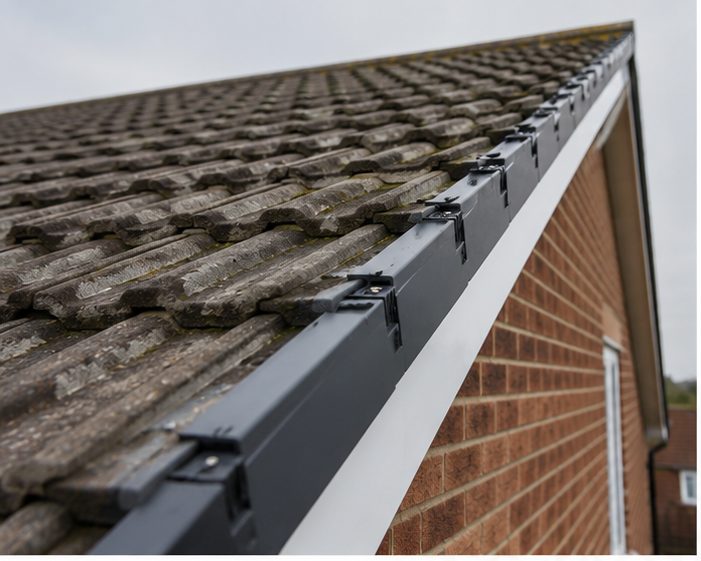
A dry verge replaces the wet mortar with mechanically fixed verge units and tile-end or cap pieces. There is no mortar to crack, shrink or drop onto your path, and the tiles at the edge are held down much more firmly. Fixing is to the maker's guidance.
It suits new roofs, re-roofs and repairs where the mortar has failed. It will not rescue a roof that is failing elsewhere, and compatibility depends on the tile profile, which we check on site. Where the tiles or timber beneath are tired, we deal with that first so the new edge has a firm base.
- No wet mortar to fail at the edge
- Better resistance to wind lifting the edge
- Weather, birds and insects kept out
- Fixed to the tile maker's guidance
What to do now
Note where the fragments land and whether they are increasing. Do not climb up to patch it yourself; a loose verge can bring tiles down with it. Call us for a proper look, and we will tell you whether it needs a re-bed, a dry verge or work to the roof as well.
Frequently Asked Questions
Is falling mortar dangerous?
It can be, as pieces drop onto paths and driveways, and a loose verge may let the edge tiles move. It is worth getting checked before the next windy spell rather than leaving it.
Can I re-point the verge myself?
We do not recommend it. It means working at height at the roof edge, and a quick patch over loose material rarely lasts. A proper repair re-bonds sound tiles or replaces the verge with a dry system.
Will a dry verge suit my roof?
Usually, but it depends on the tile profile and the condition of the roof beneath. We check the tiles and edge on site and tell you whether a dry verge fits or whether other work is needed first.
Talk to our team about dry verge systems in Fishponds
Every roof is different — the fastest way to get an accurate answer is a quick chat with our team.