
Hotwells sits on the Avon Gorge side, where wind can funnel up and over rooftops. After a storm, take it step by step: stay safe, look from the ground, then call us.
Exposed slopes, tall terraces and parapets take the brunt when a storm blows through. In Hotwells, steep streets and tight access mean the damage may be harder to see and harder to reach. Here is what to do first, what to avoid and what we examine when we arrive to give you a clear picture.
Keep clear and keep safe
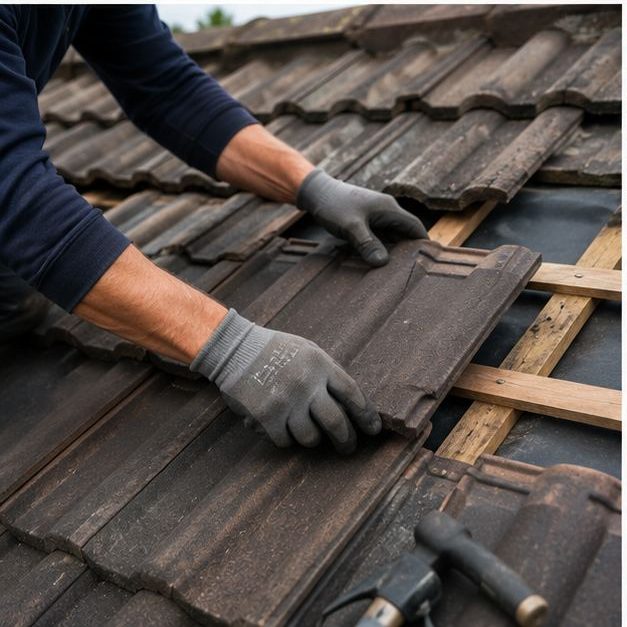
Fallen slates, tiles and pieces of chimney or parapet coping can land on pavements and steps below. Keep people and pets clear of the area, and do not stand beneath anything that looks loose. If it threatens a public footpath, warn passers-by and call us. Do not go onto the roof or lean from windows to inspect it. On steep streets there is little room for error, and wet surfaces make the risk greater.
What to look for from the street
From a safe spot, look along the roofline. Gaps in the slate or tile pattern, a lifted ridge, lead flashings hanging open and gutters dropped from the wall are the usual signs. Binoculars help you see detail without needing a closer view. Parapets deserve a look as well. Coping stones can shift, and a failed parapet gutter behind them will overflow into the wall.
- Missing or displaced slates and tiles
- Lead hanging open or rolled back
- Parapet coping stones out of line
- Gutters or downpipes pulled away
- Fresh debris on steps or basement areas
Inside the house
Check the top floor ceilings for fresh stains and the loft, if you can reach it, for daylight, wet timber and damp insulation. Keep to the hatch and do not step across the joists. Take photographs with the date. Move belongings away from drips and put containers beneath them. If water is near electrics, keep clear and do not use that circuit until it is safe.
What we check on arrival
We look at the whole roof, not only the spot you noticed. Exposed slopes facing the gorge often show damage at the edges, ridge and hips first. We examine lead flashings and valleys for lifted or split sections, and check the chimney and parapet junctions. Access can be awkward on steep streets and terraces, so we plan how to reach the roof safely before any work starts.
Repair, temporary cover or more
Where damage is limited, a repair using matching slate or tile and refixed lead restores the roof. If water is getting in and the weather will not allow a full repair, we can arrange temporary protection and then return for the permanent work. Where the storm has exposed wider ageing, we explain it plainly. Larger work may need planning or Building Regulations checks — we advise before work starts.
Frequently Asked Questions
Should I try to cover the hole myself?
No. Working at height on a wet, windy and often steep roof is dangerous. Protect the inside of the house, take photographs and call us. If temporary protection is needed, we arrange it with proper access.
Why does storm damage often show on the edges?
Wind pressure is highest at ridges, hips, verges and eaves, so those are the first places loose coverings lift. On exposed slopes the effect is stronger, which is why we check the edges carefully.
What if damage is on a shared terrace?
Roofs in a terrace share walls and often gutters, so damage can affect neighbours. Let them know, and tell us about the shared elements so we can look at both sides of the party line.
Talk to our team about roof repairs in Hotwells
Every roof is different — the fastest way to get an accurate answer is a quick chat with our team.