
A dry verge does not have to wait for a new roof. In many cases it can replace failed mortar on a roof that is otherwise staying put. This explains when that works and what we check first.
Plenty of roofs in Lawrence Hill are not due for replacement but have a verge where the mortar has cracked and fallen out. Fitting a dry verge in its place is often possible. The answer depends on the tiles, the gable edge and how sound the roof is, and we confirm all of it on site.
Why people ask
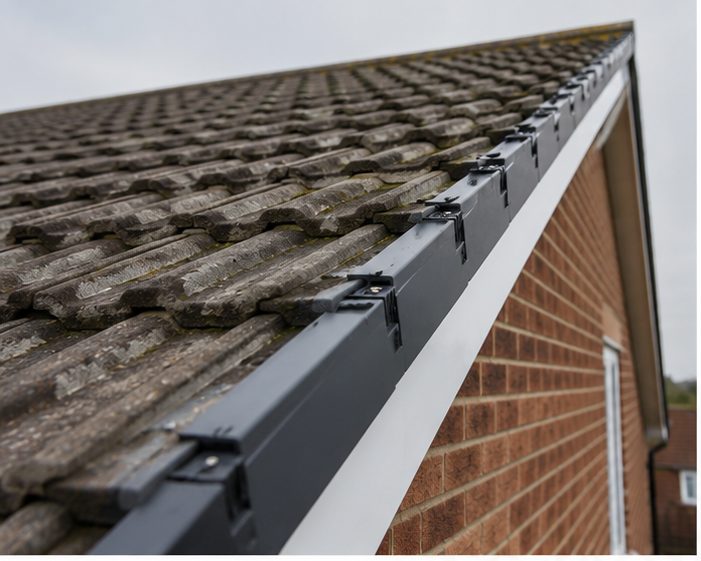
Verges at gable ends carry a line of mortar that holds the edge tiles down and closes the gap to the wall. Over time it cracks, shrinks and drops out, usually first noticed as crumbs of mortar on a path or in a yard. Re-pointing it only repeats the cycle. Gable edges take the worst of the wind, so the repair has to hold. A dry verge removes the mortar from the equation altogether, which is why people look at retrofitting it.
What retrofitting involves
The old mortar and loose edge tiles are taken off, the batten and underlay at the edge are checked, and mechanically fixed verge units and cap pieces are fitted along the gable. The finished edge is secured with fixings rather than relying on wet mortar. The work is done along the edge only, so the main roof can stay as it is, and the fixing follows the tile maker's guidance.
- Old mortar and loose edge tiles removed
- Batten and underlay at the edge checked
- Verge units and caps fixed mechanically
- Edge finished and tidied along the gable
What has to be right first
The tiles must be a profile the system suits, and that is checked on site rather than assumed. Terraced rows and later blocks in this area may carry different types of covering, so two neighbouring gables can need different answers. The edge timbers have to be sound too. If the barge or wall plate is rotten, that is repaired before any units go on.
When a dry verge will not solve the problem
A dry verge deals with the edge. It will not cure a roof that is slipping, leaking or failing elsewhere. If the covering across the field of the roof is worn out, we say so plainly and may suggest a different approach to the roof as a whole. Honest advice here means telling you when the verge is the problem and when it is just the first thing that showed.
How to prepare for a visit
Note where mortar has been falling and whether you have seen any dampness at the top of an internal wall near the gable. From the ground, a photo of the verge edge helps us understand what we are dealing with before we arrive. Please leave any climbing to us. We will inspect safely and explain what is needed.
Frequently Asked Questions
Will a dry verge look different from the old one?
Slightly. The edge is a neat, continuous line of purpose-made pieces instead of a band of mortar, and it usually looks tidier. We show you how it would appear against your existing tiles before work starts, and explain how the edge will be finished at the ridge end.
Is a dry verge suitable for any tile?
No. It depends on the profile and the way the tiles are laid, so compatibility is checked on site against the maker's guidance. Where a system does not suit the tile, we explain the alternatives rather than forcing a fit.
Does the work need scaffolding?
Gable edges are above head height, so safe access is arranged, often with a scaffold or tower. We tell you in advance what will be needed and where it will stand, so there are no surprises on the day.
Talk to our team about dry verge systems in Lawrence Hill
Every roof is different — the fastest way to get an accurate answer is a quick chat with our team.