
A dry verge is not only for new roofs. Where the mortar at a gable edge has failed, it can often replace it on an existing roof, depending on the tile profile and the state of the edge.
Gable ends in central Bristol, whether on a terrace end or a converted house, are exposed at the verge where wet mortar holds the edge tiles in place. When that mortar cracks and drops out, a dry verge is often the tidy way to put the edge back without relying on mortar again.
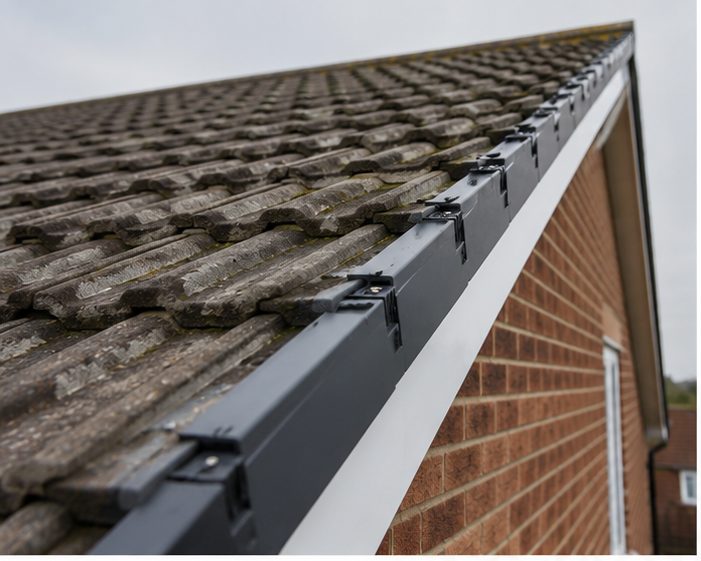
What a dry verge replaces
Traditional verges use mortar to bed the edge tiles and seal the gap to the wall. Mortar shrinks, cracks and falls away. A dry verge uses mechanically fixed verge units with tile-end and cap pieces, so there is no wet mortar to fail, and the edge is held down against wind.
On an end of terrace, the gable edge is the most exposed part of the roof, and it is often the first place a repair is needed once the original mortar has weathered away. That makes the verge a sensible place to start any roof check.
When it suits an existing roof
It is a good choice where the old mortar has failed, where a re-roof is planned, or where repairs to the edge keep needing to be repeated. It suits a roof whose covering is otherwise in reasonable order, as it deals with the edge only and does not cure faults elsewhere.
- Mortar cracking or dropping away at the gable
- Edge tiles loose or lifting in wind
- Gaps where birds or insects get in
- A re-roof or large repair already planned
What decides compatibility
Not every system fits every tile. The profile of the existing tiles and the way the verge is built both matter, and the fixings must follow the tile maker's guidance. We check the roof on site before confirming that a dry verge will work, rather than promising it from a photograph.
What we look at on site
We check the edge tiles, the condition of the rafters or battens below, the undercloak and how the roof meets the wall. If the edge is badly worn, some of that has to be put right first. A dry verge is not a cure for a roof that is failing elsewhere, and we say so.
If the edge tiles themselves are cracked or the batten beneath has rotted, those are repaired as part of the same visit, so the new verge is fixed to something solid. Nothing is hidden, and we show you what was found before closing it up.
The work itself
Old mortar and loose edge tiles are removed, the edge is made sound, and the verge units and cap pieces are fixed to the maker's instructions. The edge then looks tidy and stays weathertight without mortar. Work at a gable is done from proper access, and it may need planning or Building Regulations checks — we advise before work starts.
Frequently Asked Questions
Will a dry verge fit any tile?
No. Compatibility depends on the tile profile, so we check the roof on site. Some tiles take a standard system easily, while others need a different approach, and we tell you honestly if it will not suit.
Is falling mortar a sign I need a dry verge?
Mortar on the path or drive is often the first sign the verge is failing. It does not always mean a dry verge is needed, but it does mean the edge should be looked at before wind lifts tiles.
Does a dry verge stop birds and insects getting in?
The end pieces close the gap at the edge, so birds, insects and weather have far less room to get in. A sound fitting with the right pieces is what achieves that, which is why we check the details first.
Talk to our team about dry verge systems in St Pauls
Every roof is different — the fastest way to get an accurate answer is a quick chat with our team.