
Old mortar verges crack and fall away, leaving gaps that birds and insects exploit. A dry verge closes the edge with fixed units, which changes what can get in under the tiles.
The verge is the roof edge at a gable. When wet mortar cracks and drops out, it leaves a gap into the roof space. Birds nest in it, wasps and bees look for shelter, and wind-driven rain follows. A dry verge replaces the mortar with fixed units that shut that gap, so the edge stays closed to wildlife and weather alike.
How the old mortar lets them in
Mortar shrinks, cracks and pulls away from the tiles as the roof moves and weathers. Small gaps widen, and eventually pieces fall out. Birds then push into the opening, and insects find the dry, sheltered space under the tile ends. On tall Bishopston houses the gables sit high, so a small gap can go unnoticed for a long time from the ground.
What a dry verge changes
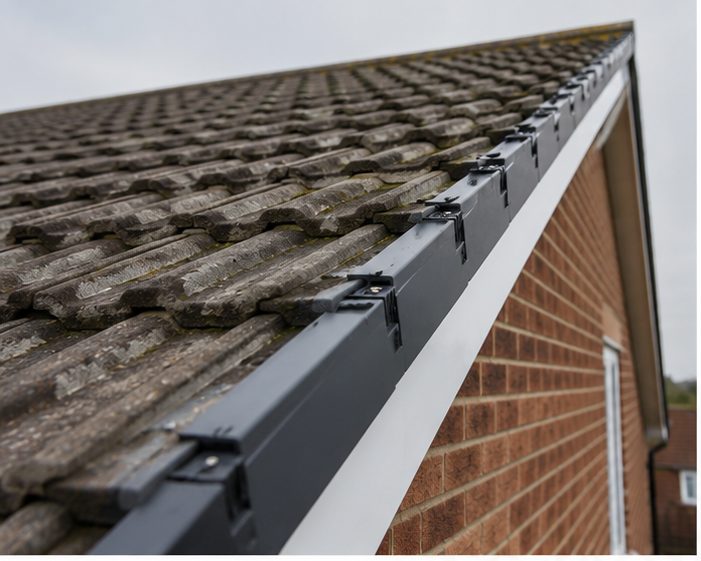
A dry verge uses mechanically fixed verge units and tile-end or cap pieces, with no wet mortar. The units cover the edge of the tiles and are fixed to the roof, so there is no brittle joint to crack. The edge is closed by the units themselves, which keeps the weather out and denies birds and insects an easy way in.
- Fixed units rather than a mortar joint.
- Tile-end and cap pieces shut the open end.
- Nothing to crumble onto paths and drives.
- Edge held down against wind as well.
Ventilation and wildlife
A dry verge is not an airtight seal, nor should it be. Roofs need to breathe, and the system allows air movement while keeping out creatures that need larger openings. Where nests or insects are already in the roof space, they are a separate matter and we advise you to deal with them properly before closing the edge. We do not trap or harm anything on site.
Spotting the first signs from the ground
From the ground and the loft, look for mortar crumbs on paths and drives, birds going in and out at the gable end, or insects gathering near the edge. Do not go up to check. If you notice any of these, call us for a proper look, and we will say whether the verge needs repair or a dry verge refit.
- Bits of mortar on the path or drive.
- Birds entering at the roof edge.
- Insects clustering near the gable.
- Daylight at the gable end inside the loft.
When a dry verge is the right answer
It suits new roofs, re-roofs and repairs where the mortar has failed. It is fitted to the tile maker's guidance, and compatibility depends on the tile profile, which we check on site. It is not a cure for a roof failing elsewhere, so we look at the whole roof first and tell you what is urgent.
Frequently Asked Questions
Will a dry verge stop birds nesting under the tiles?
It removes the open gaps they use at the edge, so it makes nesting there much harder. Other entry points like eaves and ridge gaps are separate, so we look at the whole roof when advising.
Can wasps still get in?
A closed, fixed verge removes the easy gaps they like to use. If a nest is already inside the roof space, that needs dealing with by a pest professional before we close the edge up.
Does a dry verge make the roof airtight?
No. The aim is to keep wildlife and rain out while the roof space can still breathe. Ventilation is handled at the eaves and ridge, and we check that it works as part of a wider view of the roof.
Talk to our team about dry verge systems in Bishopston
Every roof is different — the fastest way to get an accurate answer is a quick chat with our team.