
A dry verge is a good answer to failed mortar, but it only works when the tiles and roof edge are right for it. These are the checks we make before recommending one.
A dry verge replaces the wet mortar at a gable edge with fixed units, so there is nothing to crack or fall out. On the higher, open ground around Kingsweston the roof edge takes strong wind, which makes a mechanically fixed verge attractive. It still needs the right conditions, and we check those before suggesting it.
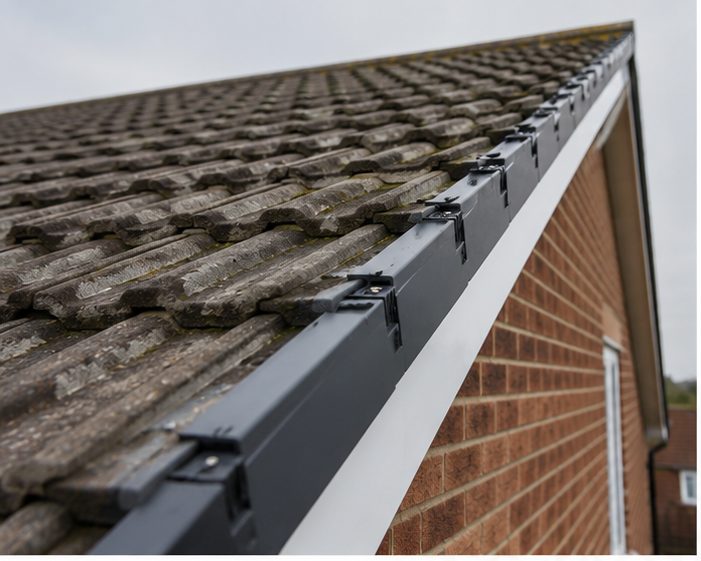
The tile profile
Dry verge units are made to suit particular tile shapes, so the first check is what tiles you actually have. Some profiles take a unit easily, others need a different approach, and a few older tiles may not suit one at all. Compatibility depends on the profile, and we confirm it on site rather than assuming. Where the profile is unusual we explain the alternatives in plain terms.
The condition of the roof behind the verge
A dry verge is not a cure for a roof failing elsewhere. If the felt is perished, battens are rotten or the tiles near the edge are crumbling, fitting new verge units on top only covers a larger problem. We look at the verge, the nearby rows of tiles and the roof space beneath before recommending anything.
- Tiles near the edge sound and not flaking
- Battens firm and not rotten at the verge
- Barge boards and the gable wall in good order
- No signs of water entering at the edge
Exposure and fixing
Kingsweston roofs sit on exposed ground, so the fixings matter. Units are fixed to the tile maker's guidance, with the right fixings for the batten and rafter arrangement. We explain how the units are held, because a verge that can resist wind lift is the whole point of the system. A clear explanation of the fixing method is a good sign that the work will be done carefully.
What falling mortar is telling you
Mortar on a drive, path or bin lid is a typical first sign that the verge bedding has failed. It may be just the verge, or it may be a wider movement problem. We check whether the bedding failure is isolated and whether the underlying tiles and cloaking pieces are secure. If tiles have slid or cracked at the same time, we deal with them in the same visit.
What a roofer should tell you
Ask which units will be used, how they are fixed, what happens at the ridge and eaves ends of the verge, and how existing tiles will be handled. A good answer is specific and written down. You should also expect to be told if the verge is not the right choice for your roof. Written details also make it easier to compare more than one roofer fairly.
Frequently Asked Questions
Does every roof suit a dry verge?
No. It depends on the tile profile, the state of the roof edge and the arrangement of the gable. We check these on site and say so plainly if a different approach would suit your roof better. The answer is often a clear yes or no after one visit.
Will a dry verge stop my roof leaking?
Only if the verge was the problem. It keeps weather, birds and insects out at the edge and removes mortar failure, but it will not fix a leak coming from tiles, flashings or felt elsewhere on the roof.
Can a dry verge be fitted to an existing roof?
Often yes, as part of a repair where mortar has failed, or as part of a re-roof. The tiles at the edge are lifted, the units fitted and the tiles refixed, subject to the profile checks above.
Talk to our team about dry verge systems in Kingsweston
Every roof is different — the fastest way to get an accurate answer is a quick chat with our team.