
Crumbs of mortar on the path or drive are the first sign that a verge is failing. This guide explains why it keeps happening on Horfield homes and what a lasting fix looks like.
The verge is the edge of the roof where it meets a gable wall. On many older Horfield terraces and semis it is finished with sand and cement mortar that holds the end tiles in place. Mortar is rigid, and a roof is not, so it cracks and drops out. Repointing it again and again rarely cures the cause.
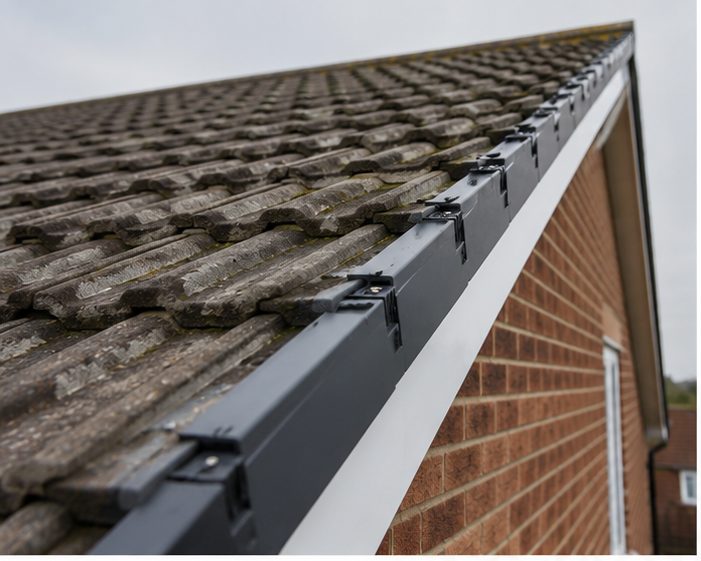
What the verge is doing
At a gable the last row of tiles overhangs the wall and is bedded on mortar, which also seals the gap against wind and rain. That small strip of mortar takes the full force of weather on the exposed side of the house, so it is always going to be the weak link. Because the edge of the roof is where wind pressure is highest, a verge that is failing is also a verge that can lose tiles in a gale.
Why it cracks and falls
Mortar shrinks as it cures, and then it expands and contracts with every change in temperature. Moisture gets into hairline cracks, freezes in cold snaps and pushes the mortar apart. Over time the bond with the tile and the wall gives way, and pieces fall. Houses that have moved slightly, or that were re-roofed without the verge being rebuilt properly, tend to show it first. A fresh dab of mortar over loose bedding will not hold for long.
- Shrinkage and cracking as it cures
- Frost and moisture working into gaps
- Movement between tiles and gable wall
- Wind pressure at the roof edge
- Old bedding that was never fully sound
What we check
From the ground we look at the line of the verge, the condition of the end tiles and the barge area beneath. If we can see gaps, tilted tiles or staining down the gable wall, water is probably getting in. We also look at the loft side where we can reach it, for damp timbers or stains near the gable. A failing verge sometimes hides a leak that has been tracked along the rafters.
A different kind of fix
A dry verge system replaces wet mortar with mechanically fixed verge units and tile-end or cap pieces. There is no mortar to crack and fall, the edge is held down against the wind, and the gap is closed against weather, birds and insects. It is fixed following the tile maker's guidance, and whether it suits your roof depends on the tile profile, which we check on site. It suits repairs where mortar has failed, as well as re-roofs and new roofs.
What it will not do
A dry verge deals with the edge of the roof. It does not cure a roof that is failing elsewhere, such as slipped tiles, broken flashings or tired felt. We look at the whole roof so you do not spend money on an edge while a leak continues two metres away. Work like this may need planning or Building Regulations checks — we advise before work starts.
Frequently Asked Questions
Is falling mortar dangerous?
It can be. Pieces drop onto paths and drives, and a verge that is crumbling may be letting wind lift the end tiles. Keep people away from the area beneath it and call us to look rather than reaching up to clear it.
Can I just repoint the verge?
Repointing can look tidy for a while, but if the underlying bedding and fixings are weak, it often cracks again. We look at why it failed first, then decide whether a mortar repair or a dry verge is the better answer.
Do all tiles suit a dry verge?
Not all. The units are designed around particular tile profiles, so compatibility is checked on site before we propose it. If your roof is not suited, we tell you and explain the alternatives.
Talk to our team about dry verge systems in Horfield
Every roof is different — the fastest way to get an accurate answer is a quick chat with our team.