
Crumbs of mortar on a path or yard are the classic first sign of a tired verge. Understanding why it keeps happening explains why simply re-pointing it rarely lasts.
The verge is the edge of the roof where it meets a gable wall, and on a good many Redcliffe houses it was finished with a strip of wet mortar. Mortar is rigid, the roof is not, and the gable takes the full force of the weather. Sooner or later the bedding lets go.
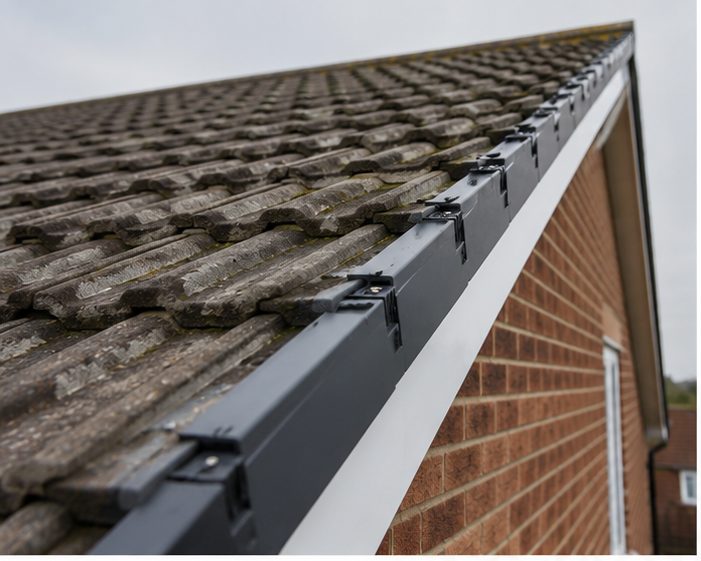
Why wet mortar is the weak link
Mortar sets hard and brittle. A roof edge moves slightly with wind, with temperature and with the seasons, and the rigid bed cracks along the line where the two meet. Water gets in behind, freezes or soaks, and pushes the cracked pieces off. Fresh mortar over the old rarely bonds well, so the cycle repeats.
Exposure makes it worse. Redcliffe sits open to wind funnelling along the harbour and between taller buildings, so gable edges take sharper gusts than their size suggests. A verge that coped for a long while can start shedding mortar quickly once the bedding is cracked.
What you can see from the ground
You do not need to be near the roof to spot it. On tight sites such as yards and narrow passages, fallen pieces often land where you can see them easily. Look up from a safe place and take a photo to show us.
- Gritty crumbs and chunks on paths, yards or flat roofs below
- Dark gaps or cracks along the gable edge
- Edge tiles that look tilted or lifted
- Birds or insects entering at the verge
Why it matters beyond the mess
A failed verge is not only untidy. The edge tiles lose their bedding and become exposed to wind uplift, and rain can reach the timbers and felt beneath. On terraces, where the gable may sit above a neighbour's passage or a flat roof, loose pieces falling is also a safety issue we would rather deal with early.
Water behind the verge also soaks the end rafters and the wall top, which then dry unevenly and crack the remaining mortar further. That is why we look at the gable wall head and the felt, not only the visible edge.
How a dry verge solves it
A dry verge replaces the mortar with mechanically fixed verge units and tile-end or cap pieces, so there is no wet bed to fail. It resists wind at the edge and keeps weather, birds and insects out. It is fixed following the tile maker's guidance. Whether it suits depends on the tile profile, which we check on site.
What it will not cure
A dry verge is not a cure for a roof failing elsewhere. If tiles are slipping across the slope, flashing is leaking or the felt has gone, those need attention too. We look at the whole roof, explain what is urgent and what can wait, and tell you if the verge is only part of the story.
Ask for a written description of the work, how access will be arranged on a tight site, and what will be cleared away. Work to a verge may need planning or Building Regulations checks, and we advise before work starts.
Frequently Asked Questions
Can the old mortar just be repaired again?
It can be patched, but the same movement and weather usually crack it again. A repair is sometimes a sensible short-term step, but if mortar keeps dropping, replacing it with a fixed dry system is the more lasting answer.
Is falling mortar dangerous?
It can be. Pieces dropping from a gable above a path, yard or neighbouring roof can hurt someone or damage property. Keep people clear of the area and call us for a proper look rather than waiting for it to get worse.
Will a dry verge look very different?
It looks tidier and more uniform, with clean lines along the edge. Colours and finishes are chosen to suit your tiles, and we discuss what will suit the house before anything is ordered.
Talk to our team about dry verge systems in Redcliffe
Every roof is different — the fastest way to get an accurate answer is a quick chat with our team.