Dry verge work on the Hotwells hillside
Hotwells roofs are exposed. The slopes face the open Avon Gorge side of west Bristol, and gable edges take the full force of a gale. Mortar that was sound for decades can crack in the cold and wet and then be pulled out by wind. Left alone, the gap lets wind-driven rain in under the end tiles, where it rots battens and felt at the very edge of the roof.
A common first sign is small pieces of mortar landing on a path, step or the pavement below. On steep Hotwells streets and tight frontages that is not just untidy, it is a hazard to people walking beneath. We deal with it before more breaks away. If the tile edge itself has slipped, we refix or replace it at the same time, so the verge is secure from end to end.
Georgian and Victorian terraces often have gable ends where terraces step up the hill, and some modern flats have verges too. Whether a dry system fits depends on the tile profile, which we check on site before recommending it. We keep paths and the street below clear during the work and tidy away old mortar rather than leaving it underfoot.
Dry verge jobs in Hotwells
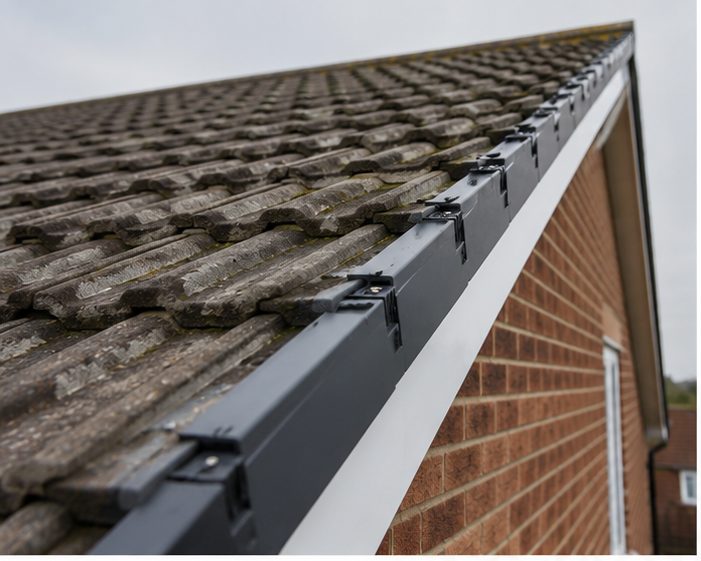
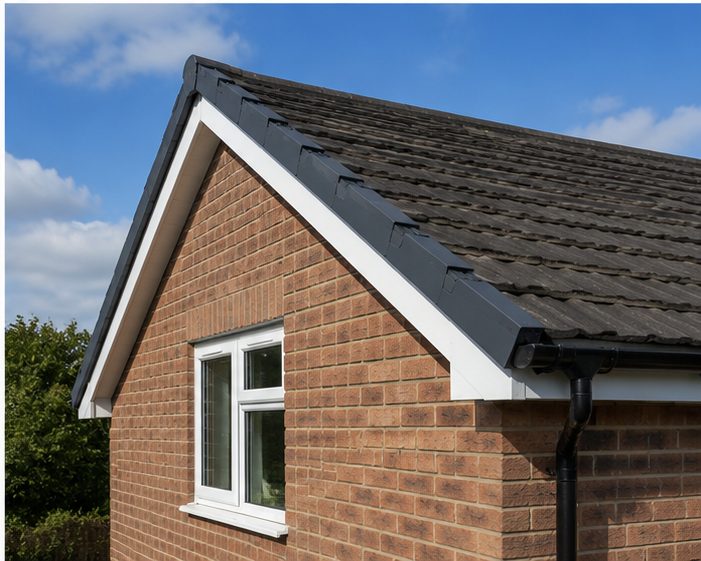
- Dry verge on re-roofs. When a roof is being recovered, fitting dry verge units from the start gives the gable edge a solid, mortar-free finish.
- Replacing failed mortar. Where the old bedding has cracked and fallen, we strip loose material and fit a mechanically fixed system in its place.
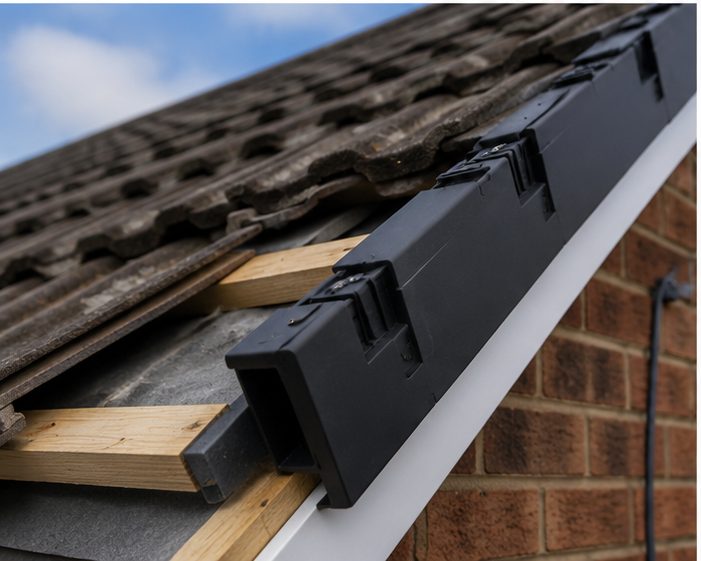
- Tile-end and cap pieces. Matching end pieces and caps close the line of tiles at the verge neatly and keep birds and insects out.
- Verge repairs after storms. After a gale, we check verge tiles for lift or displacement, then refix or replace them with dry units.
- Checking tile compatibility. Not every tile profile suits every system, so we look at your tiles and tell you what will and will not fit.
- New roofs and extensions. On new build or extension roofs in Hotwells, we can include dry verge as part of the original covering.
How we fit dry verge in Hotwells
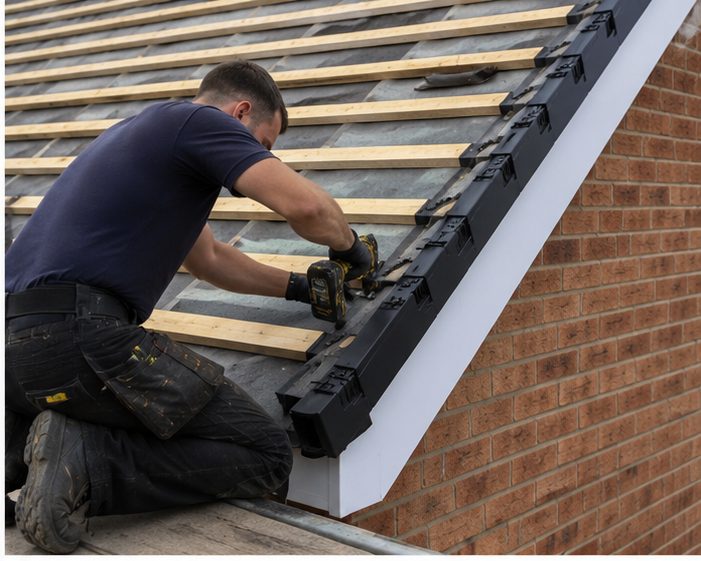
We begin by looking at the verge from the ground and from safe access, noting where mortar has gone and whether the tiles beneath are secure. We then confirm the tile profile so the right units can be chosen. Photographs of the existing verge help us show you where the mortar has gone and what is still sound.
Units are fixed in line with the tile maker's guidance. We are honest that dry verge only tidies the edge: if the roof is failing elsewhere, a new verge will not cure that, and we will say so before you commit. If the tiles are an awkward profile we will say so honestly and suggest an alternative rather than forcing a poor fit.